
Seasoning The Wood By Dammy Ponnuthurai
“But if we hope for what we do not see, we wait for it with patience.” Romans 8:25
As a small child, I loved puzzles. I could sit for hours, content and absorbed, without needing anything more. In contrast, my older self wrestles constantly with impatience. The internet makes any enquiry instantaneous, especially with phones in our pockets. Long gone are the days of combing through encyclopedias or wandering library shelves for an answer. This immediacy feeds my impatience—and while the screen offers constant company, it also leaves behind an inexplicable tiredness.
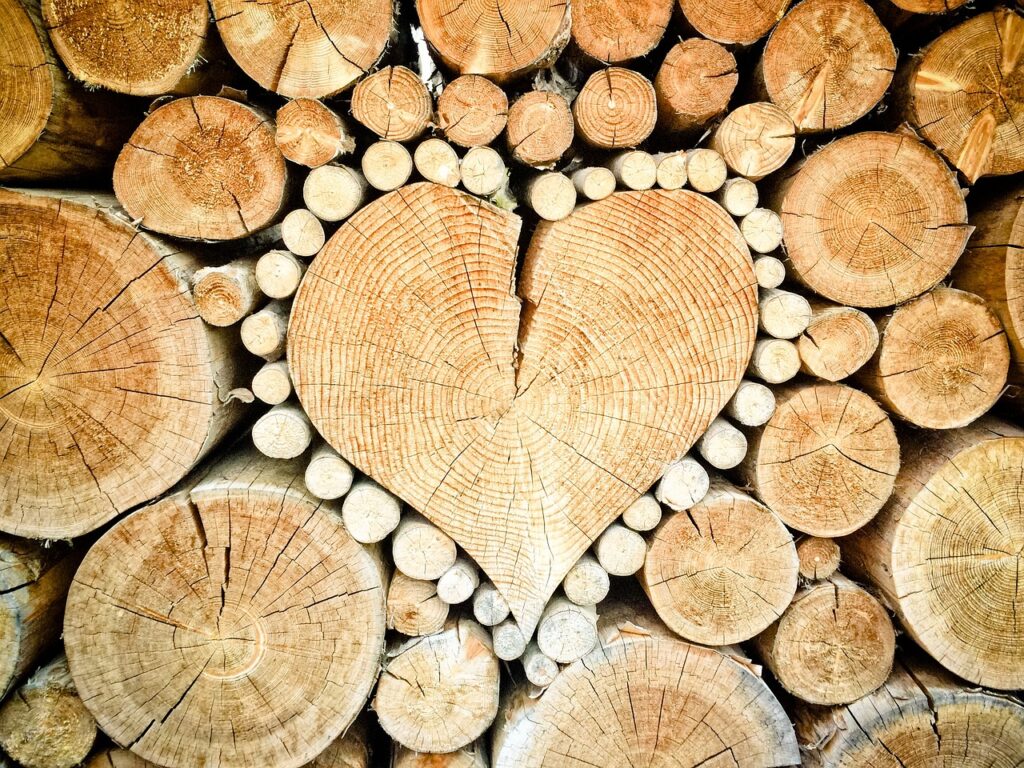
So, when my mind drifts to the idea of preparing wood for winter, I feel an unexpected sense of calm —like a return to those childhood library visits. The logs arrive in large barrow bags, dumped unceremoniously by the curb. They must be carried and stacked—an hours-long task, depending on the volume and help available. For someone impatient, such a long and monotonous task invites anxiety. Yet when I surrender to the rhythm of it, something shifts. It’s as if the task grants me the gift of patience.
But the logs’ story begins long before I stack them. Timber must first be seasoned. In our modern world, we rarely stop to think about how the things we use arrive at our door.
When I first heard the term seasoning, I thought of food, not wood. But I began to realise that the two aren’t so different. Both processes bring out subtle qualities in the final product—whether it’s the depth of flavor in a dish or the clean, warm burn of a log. Both enhance experiences that engage our senses and nourish us in quiet ways.
Like wood responding to temperature, our cravings shift with the seasons. A wooden staircase creaks in summer, swelling with moisture, yet quiets in winter. Likewise, a chilled sorbet loses its appeal on a cold day, just as a slow-cooked stew gains it. Seasonality speaks to our senses and shapes what we seek.
This idea carries into other rituals—like sitting at the table, savoring a final mouthful, already anticipating when we might taste it again. Or lighting a fire on a cold evening, feeling warmth from wood that was once thoughtfully chosen. Sustainable timber doesn’t just burn better; it impacts our environment, our air, our communities. It parallels the decision to cook with ethically sourced ingredients—choices that echo beyond our homes. These are experiences we feel not only physically, but morally. They ripple outward like pond circles.
Certifications like those from the Forest Stewardship Council or Sustainable Forestry Initiative help guide these choices, connecting us back to the forests that warm us. The more space we give ourselves to pause and consider, the more we understand the quiet power of such decisions.
In taking that space to think, to choose we rediscover patience. And perhaps, in doing so, we also rediscover ourselves.