
Rising gas prices show why heating choice matters
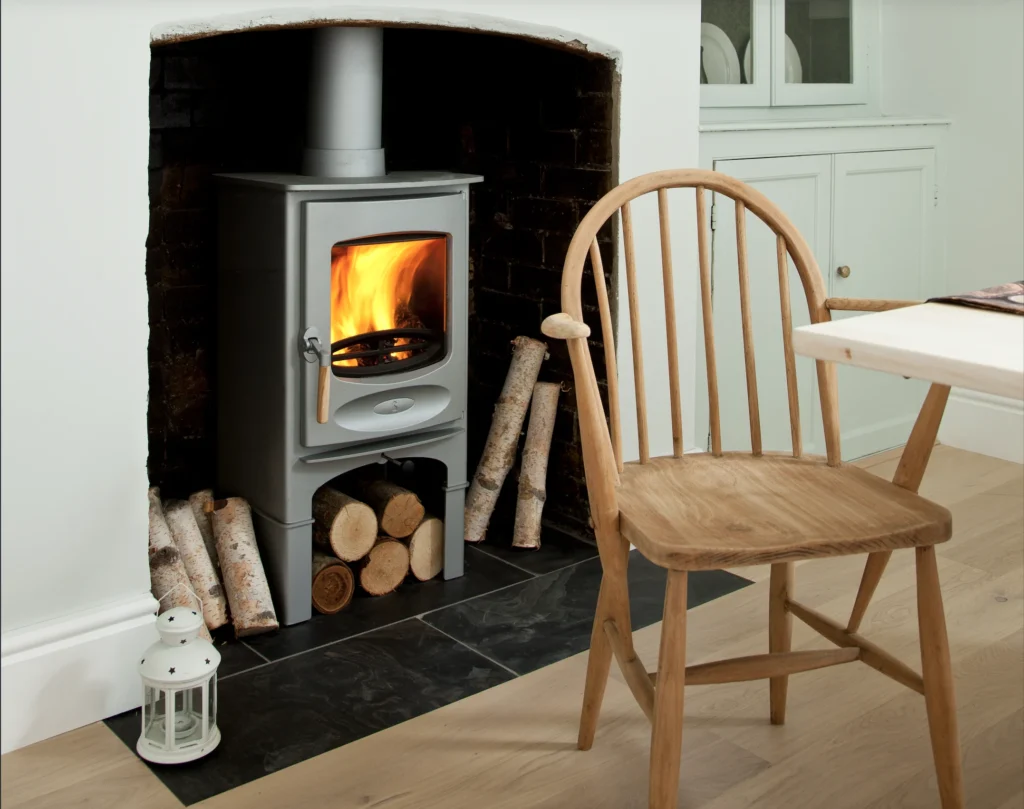
The Stove Industry Association has highlighted the importance of heating choice following the latest increase in household gas prices. Ofgem raised the overall energy price cap by 4 per cent from October, while the average gas unit rate for households on standard variable tariffs increased from 7.33 pence to 7.97 pence per kilowatt hour.
Ofgem says higher wholesale gas costs linked to conflict in the Middle East have been a major factor behind the latest rise, which shows once again how events thousands of miles away can affect domestic energy bills.
Choice gives households more control
The truth is there is no single heating system that will suit every property or location perfectly. Heat pumps, gas heating, solar and improved insulation do all have important roles to play, but relying entirely on one source of energy can leave households more exposed when prices change or supply is disrupted for whatever reason.
A modern wood burning stove offers another option because its fuel has a different supply chain and can be stored at home. It allows people to heat the room they are actually using without depending directly on the gas network or electricity grid.
That does not mean a stove will always be the cheapest way to heat every home, because fuel prices and individual circumstances vary. However, the value is in having another choice available when other energy costs rise or when the main heating system cannot operate. As the SIA puts it, affordability, energy security and resilience all deserve to be part of the conversation about how Britain heats its homes.
Resilience is about more than price
The latest Government thinking also places increasing emphasis on resilience. Its recent household preparedness advice encourages people to think about how they would cope if services such as electricity, water and communications were temporarily disrupted.
The Government’s own guidance on power cuts makes an important point for home heating. Gas boilers and heat pumps generally rely on electricity to operate, so they can stop working during an outage even when their primary energy source remains available.
A conventional modern wood burning stove can continue to provide direct heat without electricity. It can also provide a means for cooking. For households that experience a winter power cut, particularly in rural areas, being able to keep one main room warm can become a very practical form of resilience.
The Government’s latest assessment describes the UK gas system itself as resilient, but it also identifies risks including geopolitical instability, competition for global gas supplies, sudden peaks in demand, cyber threats and severe weather. Therefore resilience does not mean expecting the system to fail, but rather recognising that uncertainty exists and having sensible alternatives available.
Cleaner burning still matters
Improving air quality further is important and modern wood burning has to be done responsibly, using the best available appliance technology and the correct fuel. That’s why significant work has gone into the latest stove technology which is far more efficient and controllable than ever before. Charnwood’s latest Aire Intelligent technology automatically manages airflow throughout the burn, helping the stove operate efficiently while making everyday use simpler.
In England, firewood sold for domestic use must meet the Ready to Burn requirements, which means a moisture content of 20 per cent or less. This is important because dry wood burns far more efficiently and helps modern appliances perform optimally. It also benefits your stove and chimney and helps ensure increased longevity.
Correct installation, regular maintenance and responsible operation are all equally important. The answer to energy uncertainty is not a return to open fires or older appliances, but continued movement towards cleaner and more efficient forms of burning.
Keeping our options open
Energy prices will continue to change, and nobody can predict exactly what gas, electricity or other fuels will cost several winters from now. However, what recent events continue to show is the value of having some flexibility. A household with more than one way to keep warm has more options when circumstances change, whether that means rising prices, severe weather or a temporary interruption to the electricity supply.
We agree with the SIA that future heating policy should recognise this value rather than narrowing household choices. Modern wood burning can for many households provide an efficient secondary heat source, greater independence and another layer of energy resilience. At a time when global events can quickly affect our energy bills and security, keeping sensible heating options available feels increasingly important.