
Skip to content

How modern wood burning actually helps nature, homes and cleaner air
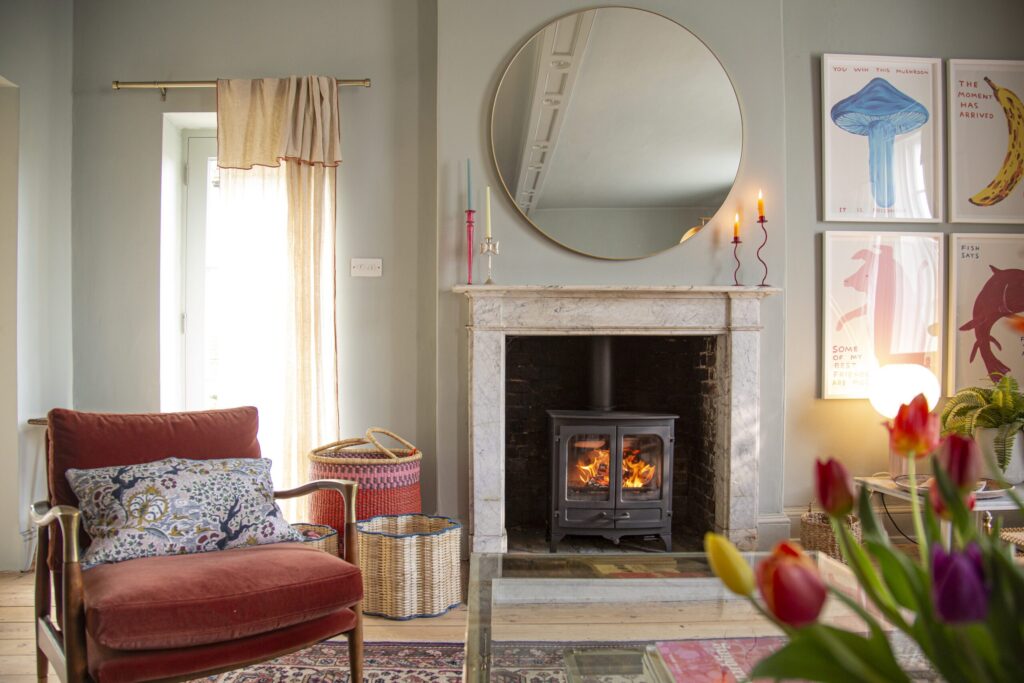
Some recent coverage has tried to wrap talk of “restoring nature” together with calls to clamp down on wood burning. It makes for a striking headline, but it completely blurs the lines. Far from modern stoves being the villain, when used correctly with dry fuel, they are part of a balanced, low carbon heating solution that actually supports better woodland management and biodiversity. 

Framing matters 

A common tactic used in articles such as these is to open a story with “wood-burning stoves” but then pivot to problems that are either unrelated or only marginally connected, such as illegal waste burning, PFAS or generic fly tipping. The impression left is that wood burning stoves are connected to every environmental harm listed. They are not, of course. Lumping everything under one banner misleads the public and muddies policy. 

Open fires are not the same as modern stoves 

Calls to curb open fires in dense urban areas are understandable. That’s because open fires produce far more particulate matter than a sealed, correctly installed stove burning dry logs. The difference is significant, with modern stoves engineered to burn cleanly and efficiently and being tested to strict standards. Treating them as if they were the same as open fires hides the very real progress that has been made. 

Cleaner air needs proportionate policy 

When the data is split properly, a much clearer picture emerges. London’s latest air quality inventory shows total PM2.5 fell between 2019 and 2022, and wood burning’s share fell at the same time. National figures also show that when households replace open fires and very old appliances with modern designs, emissions fall further. The fast wins come from replacing the worst burning with the best, enforcing existing rules and using dry, Ready to Burn logs, not from blanket bans that ignore real world trade offs. 

Woodlands thrive when they are managed 

Healthy woods do not look after themselves, and coppicing, thinning and bringing overgrown woodland back into rotation improves habitat diversity, resilience and carbon uptake. Responsible firewood is often a by product of that work, creating a short, local supply chain with clear provenance. When households choose local, well seasoned wood for a clean, modern stove, they support the very management that keeps woodlands alive for wildlife and for people.   Read about the role of sustainable fuel in woodland management  

Energy security and wellbeing at home 

Households benefit from modern stoves because they provide controllable, local, renewable heat. They help during price spikes, cold snaps and power cuts and they allow a “heat the room you use” approach that saves money and reduces waste. In older homes which were designed to breathe via a chimney, a sealed stove can restore gentle air movement and steady background warmth. That helps keep surfaces drier and reduces condensation and mould, which are real health concerns. These practical benefits are more often than not missing from headline debates. 

Keep the focus where it counts 

If the aim is cleaner air and thriving nature, the sensible path is clear.  – Phase out routine use of open fires in urban areas.   – Never burn wet wood or waste. – Specify and install modern Ecodesign stoves, ideally clearSkies-rated. – Educate for good use and enforce the rules that already exist. – Support active woodland management and local fuel loops.

Charnwood’s commitment 

We design and build stoves that meet or better the latest standards, with intelligent controls that help users burn cleanly and efficiently in daily life. We champion dry, responsibly sourced fuel and good practice because they make such a difference to reducing emissions.  Modern wood burning, done well, is part of the solution. It supports managed woodlands, adds resilience at home and fits alongside heat pumps, solar and insulation. Let’s keep the conversation honest and practical, focus on the highest impact actions, and protect both the air we breathe and the landscapes we love.