Electrification is not the only solution: why modern wood burning still matters
The Stove Industry Association (SIA) has welcomed E3G’s recent Low Carbon, Lower Heating Bills briefing and its focus on reducing household bills and decarbonising UK homes. The SIA recognises that electrification will play a vital role, but explains that relying on one technology alone is risky and excludes households where heat pumps are not yet practical or affordable. This blog will look at a wider range of factors that must be considered for real progress to be achieved and why a balanced approach that includes modern, low-emission wood burning alongside other renewables is the best way forward.
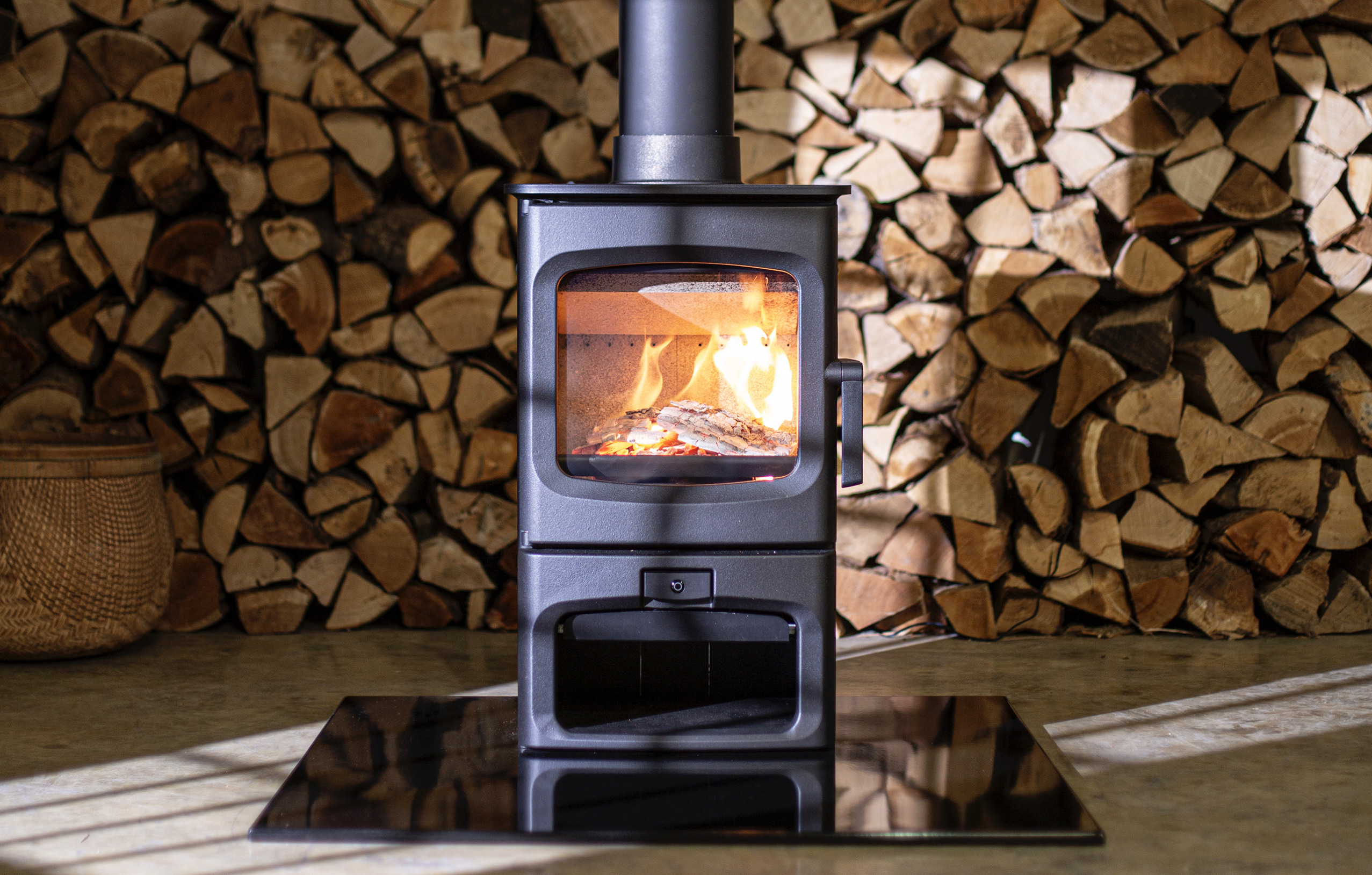
Modern Ecodesign-compliant stoves can offer:
•Affordable, renewable heat. When used with locally sourced, sustainably managed wood, a modern Ecodesign-compliant stove provides cost-effective warmth as an alternative or great back-up to gas and electricity.
•Very low emissions. Independent testing cited by the SIA shows Ecodesign stoves can cut particulate emissions by up to 90% versus open fires, and by around 80% versus older stoves when used correctly.
•Grid resilience. Stoves can ease demand during winter peaks and keep rooms warm during power cuts or other interruptions in supply.
•Fairness for hard-to-treat homes. Many older, off-grid and rural properties are not yet suited to heat pumps. Modern, efficient stoves ensure these households are not left in the cold.
•Well-being. Beyond the financial reasons, the calm, focal point of a real fire brings genuine comfort and a sense of security for many households.
Why we should take a more holistic view of climate, health and resilience
Jason Scarlett, a woodsman and stove expert, explains how climate, land use, energy, food systems and community resilience are all connected. If policymakers only look at air quality in cities, it ignores a host of other related important issues that should be factored into our thinking.
We’re just moving the problem elsewhere
Policy makers can claim cleaner city air while at the same time outsourcing emissions to other regions through imported energy and materials. This can look like progress locally while moving negative impacts out of sight. Modern wood burning helps counter this by using local, sustainably managed fuel and by reducing dependence on imported energy. Also, ~70% of wood burning in London is done on open fires which create up to 90% more emissions than modern stoves. Therefore, a transition to stoves could significantly reduce overall emissions in cities without placing the burden elsewhere.
Fitting the right solution to the home
Jason explains that homes need the most appropriate heating solution based on their design. Forcing a certain type of technology into older, rural or hard-to-treat buildings can be prohibitively costly and ultimately ineffective. Modern Ecodesign/clearSkies stoves give these households a viable, low-emission option, either as a primary heat source or as a co-heating partner alongside heat pumps, solar and wind.
Managed woodland and local resilience
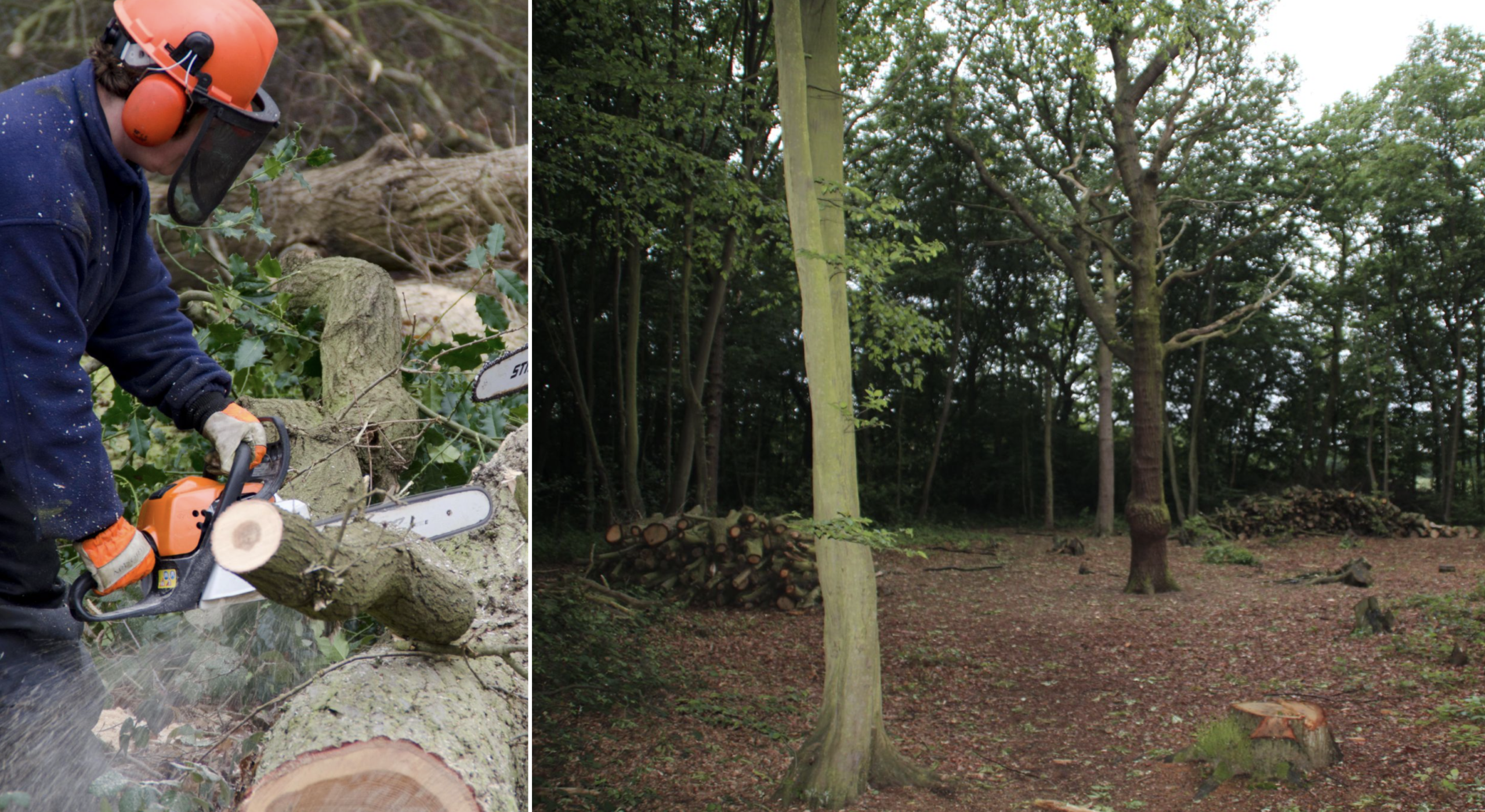
He explains how managed woodland and tree cover helps us cope with excessive summer heatwaves and can improve biodiversity. Modern wood burning can support that management and by choosing logs from well-managed local woodlands it creates a market for coppicing, which helps pay for planting, habitat work and long-term care.
We spend so much of our time indoors, where damp and poor ventilation can take a heavy toll on health. A correctly installed, properly operated modern stove can help the indoor environment by drawing combustion air and flue gases up the chimney, while also helping clear stale indoor air at the same time. Heating cold rooms also raises surface temperatures and lowers relative humidity, discouraging condensation and mold, which we know are linked to poorer health outcomes (black mold in particular).
What this means in practice
Jasons wider lens supports the SIA’s call for balanced, practical solutions. By pairing modern, low-emission wood burning with proper insulation and simple guidance on how to burn well, you can have affordable warmth, local resilience and cleaner results across every kind of home.
•Choose an Ecodesign-Compliant Stove: Look for the clearSkies mark. If you’re currently using an older stove or open fire, consider upgrading to achieve up to a 90% reduction in emissions compared to open fires.
•Check Smoke Control Area Requirements: If you live in a Smoke Control Area, you’ll need a Defra-exempt appliance. (All clearSkies Level 3 and above stoves are Defra-exempt.)
•Seek Expert Advice: Visit your local SIA Retail Group member for help in choosing the right size stove and a detailed installation quote.
•Professional Installation: Always ensure your stove is installed by a qualified competent person in accordance to building regulations (e.g., HETAS or OFTEC registered).
•Use Quality Fuel: Look for the Ready to Burn label to guarantee your logs are at or below 20% moisture content. Never burn treated wood or household waste.
•Regular Maintenance: Service your stove and sweep your chimney at least once a year. An NVQ-qualified chimney sweep can also provide valuable advice for best practices.
•Follow Manufacturer’s Instructions: Correct operation of your stove not only helps reduce emissions but also optimises efficiency.
For more information about the Stove Industry Association and its ongoing work, visit: www.stoveindustryalliance.org
Intelligent control makes it easier
If you want the simplest path to clean, consistent burning, our Skye E700 and Aire Intelligent range uses iBlu air control technology to manage airflow automatically through the burn which takes user error out of the equation. This groundbreaking advancement has taken 10 years of research and development and in practice it offers easier lighting, steadier heat and a clear view of the flames without constant adjustment. Operation is easy with a single front-mounted button, or for more insight and fine tuning you can explore the optional Charnwood app. Retailers and users report significant fuel savings when the appliance is used as intended with properly seasoned logs, with many using up to 50% less wood compared with manual operation. That means much lower running costs and lower emissions in everyday use.
A fair, affordable transition
Increased electrification is indeed important, but so is having choice. The most resilient and affordable way forward for UK households is to consider a mix of heating solutions. Better insulation, heat pumps where they fit, combined with other renewables and modern low-emission wood burning where it serves best. That is how best to lower bills, cut carbon, increase our energy security and support real lives across every kind of home.
If you’re ready to see which stove best fits your home you can use our Stove Calculator, then speak to your local Charnwood stockist about sizing and installation.