Fired Up 3: tales of connection, creativity and the place we call home
A real fire does more than warm a room. It changes the way a space feels, how people gather and how the day gently slows, which is the spirit behind Fired Up 3, the latest edition of our Charnwood zine.
This third issue brings the focus closer to the homes, people and everyday rituals that surround our stoves. Through a series of thoughtful conversations with designers, makers, writers and stove specialists, Fired Up explores the role a stove can play in daily life, not simply as a source of heat, but as a centre point for comfort and connection.
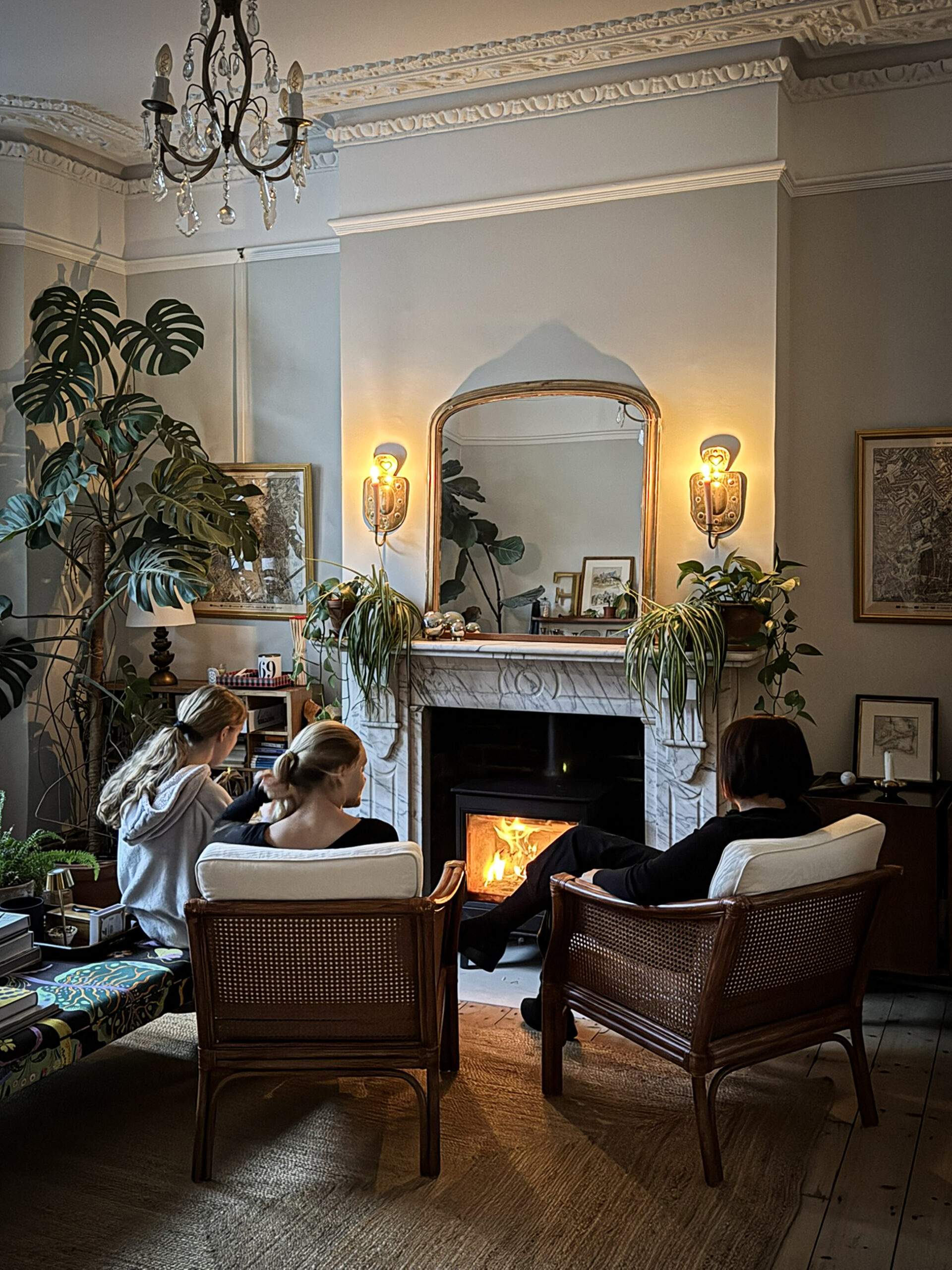
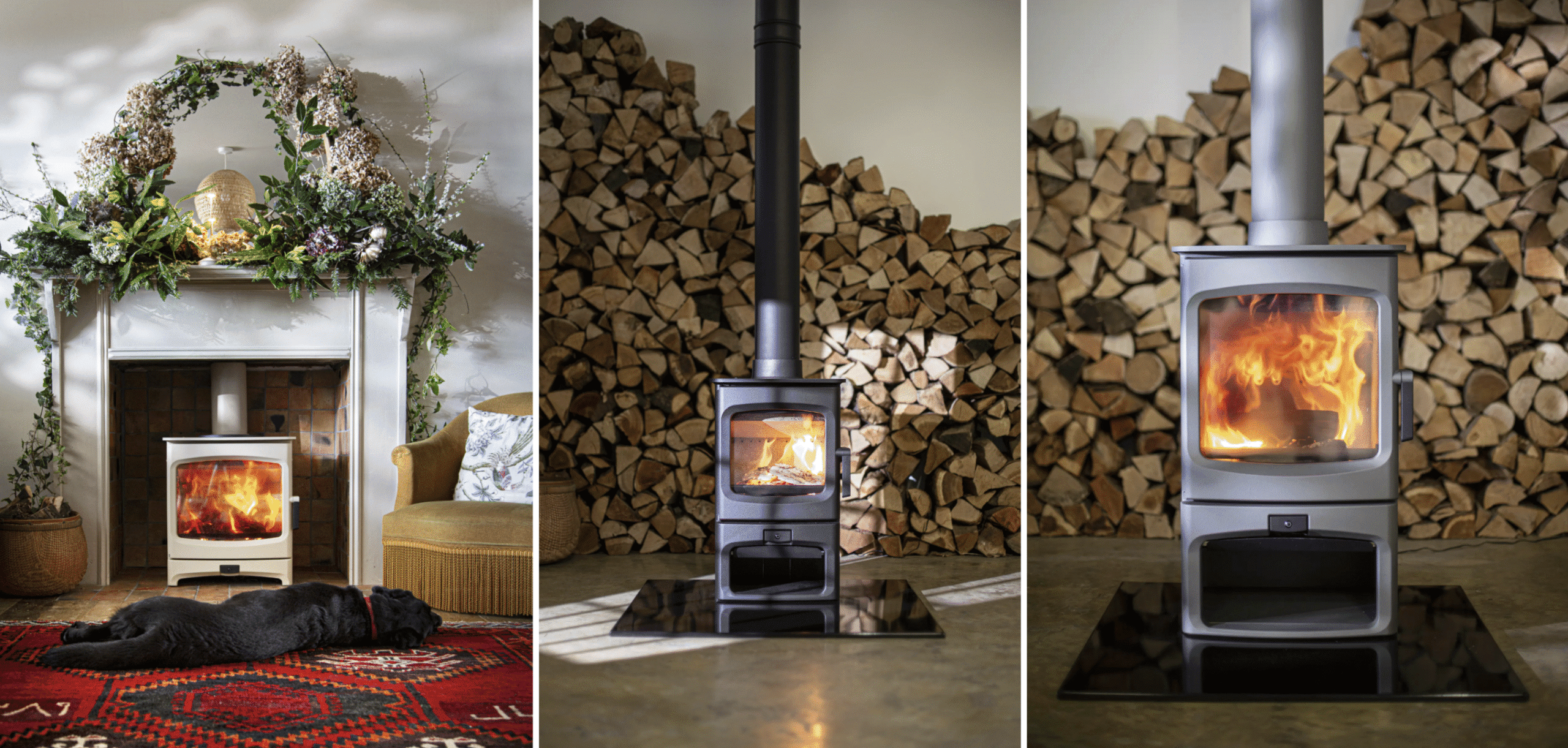
Across the issue, one idea returns again and again, which is that a stove gives a room its centre. Interior designer Leanne Kilroy speaks about fitting a Charnwood Cranmore 7 at home and how it completely changed the way her family used the space. What had once been a room too cold to enjoy in winter became part of daily life again, with chairs turned towards the fire and the whole room naturally revolving around it.
That feeling will be familiar to many Charnwood owners, whose homes have been transformed by their wood-burning stove becoming their focal point.
Homes shaped by feeling
Fired Up 3 also looks closely at the emotional life of interiors, particularly the way thoughtful design can make a home feel calmer, warmer and more personal. Patricia Rodi describes beginning a project not with a look, but with a feeling: calm, grounded, generous, intimate. Her reflections capture something we believe deeply at Charnwood, that good design should serve real life and make a home feel more settled, more useful and more human.
For Patricia, firelight gives a room structure and calm, softening the edges of the day and bringing continuity to the home. The stove is much more than decoration, it becomes almost architectural, shaping how people sit, pause and spend time together.
Beauty, comfort and function
Rachel Ashwell, founder of Shabby Chic, brings another beautiful perspective to the issue, with reflections on restoration, imperfection and the quiet beauty of things that have been lived with. Speaking about her Charnwood stove, Rachel describes the simple ritual of laying kindling, placing logs and letting the fire take command of the room. It is a lovely reminder that the practical and the poetic often meet in the same place, because a stove provides warmth while also bringing beauty, rhythm and a sense of occasion to everyday life.
Colour, warmth and family life
Emma Paton’s home brings colour and joy into the conversation, as her interview explores the confidence to use colour, the move from London to Suffolk and the way the countryside has changed her family’s daily rhythm.
Emma’s Charnwood stoves are part of that life, and she describes the pleasure of lighting a fire at the end of the day or as the weather cools, creating a feeling of warmth, safety and home. For her family, and particularly for their dog Astrid, the stove has become a natural gathering point in an old, characterful house.
The meaning of the hearth
One of the most reflective conversations in this issue is with Mike Parrott, who writes about the hearth as the heart of the home and speaks of fire as something that makes warmth visible. He describes the hearth as a place that draws people together, asks them to linger and gives the home a shared focus. His words feel particularly resonant in an age of invisible heating systems and constant distraction, when the simple act of gathering around a visible flame can feel quietly restorative.
This is not nostalgia for its own sake, but a reminder that homes are shaped by the habits and rituals we build into them. A stove encourages patience, attention and care, while inviting people to gather around something living, luminous and shared.
Sensory rituals and the natural world
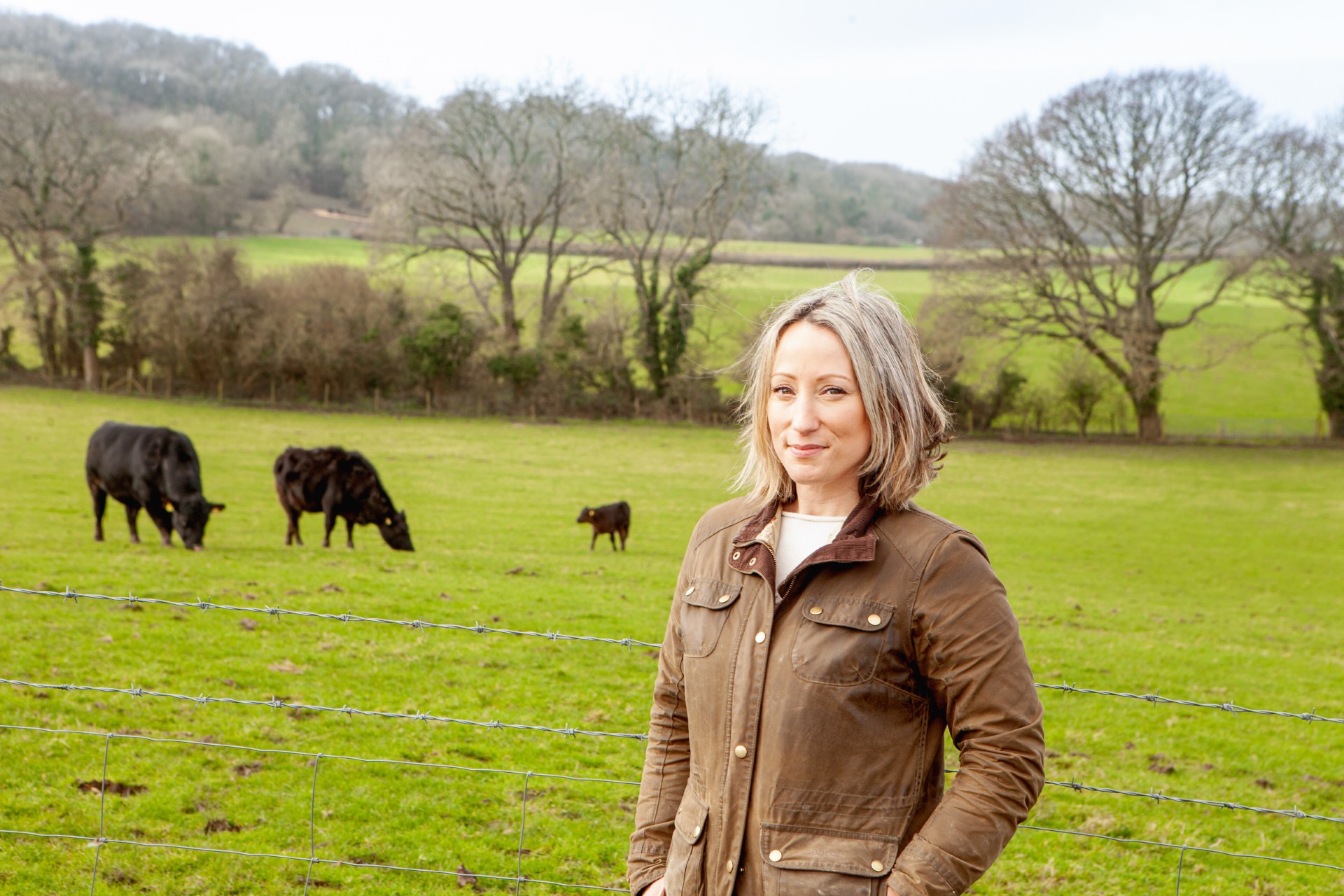
Charlotte Legge of Duxmore Botanics brings the conversation back to the Isle of Wight landscape, with its chalk downland, sea air, woodland and changing seasons shaping her approach to scent, memory and mindful living.
As the owner of a Charnwood C-Five, Charlotte speaks about the fire as a central gathering point during the colder months, a place to pause, reconnect as a family and slow down. This fits naturally with Charnwood’s own island story, where thoughtful making, natural materials and respect for the landscape are at the heart of what we do.
Modern wood burning in the real world
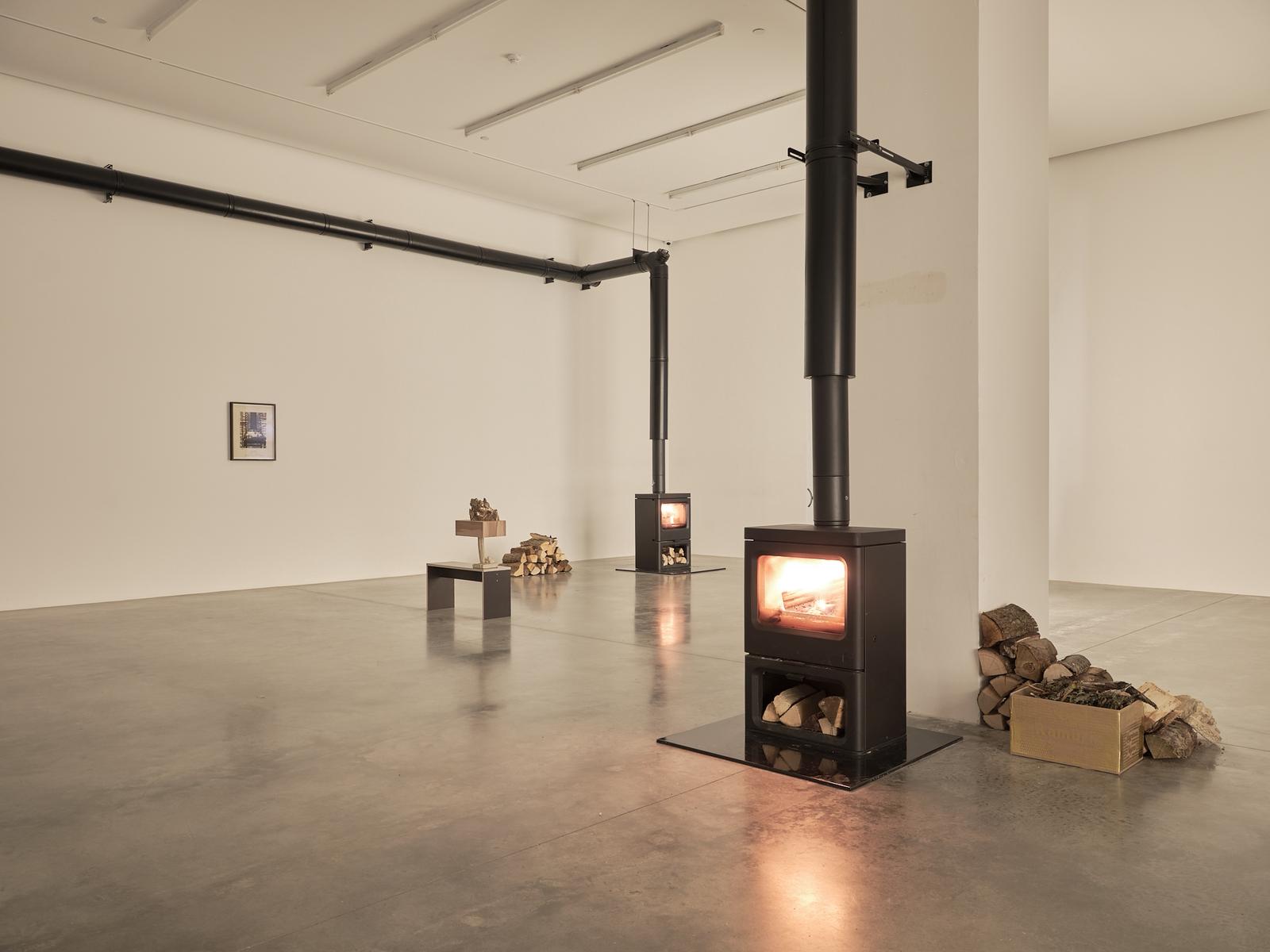
The issue closes with stove installer Nye Meyers of Stoake, whose work takes him across London from Victorian homes to more unexpected spaces, including a White Cube exhibition featuring six Charnwood Skye 7 stoves. Nye’s interview brings a practical and important perspective, particularly around the misunderstanding that often surrounds modern wood burning when open fires and modern stoves are blurred together. He also reflects on the advances in stove technology, including models such as the Charnwood Skye E700, which make clean, efficient burning easier to live with.
We hope you enjoy reading it, sharing it and returning to it.