
Energy shocks, resilience and the strong case for modern wood burning
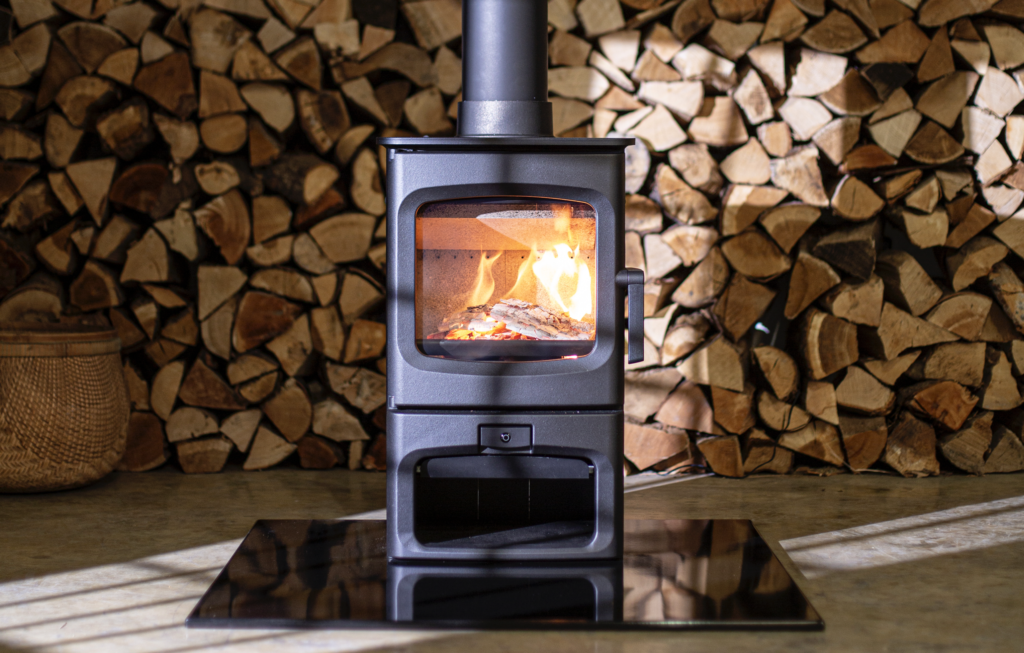
Energy markets are once again under serious pressure with oil prices having climbed back well above $100 a barrel, with some forecasts suggesting they could rise significantly further if global instability continues. We have been in similar situations before as history has a habit of repeating itself. In the 1970s oil crisis, sharp price rises forced households to rethink how they heated their homes. It was at that moment Charnwood began, inspired to provide reliable, efficient heat using a fuel that was locally available.
When energy becomes uncertain, behaviour changes
When prices rise quickly, people do not have time to wait, they have to adapt. Heating is not something that can be delayed when the cold weather arrives, because warmth is simply a non-negotiable. Understandably, households look for options that give them some control, independence and a bit more certainty. Wood has always played that role, because it is local, renewable, can be easily stored, and it is not directly exposed to global energy markets in the same way as gas or oil.
But how wood is burned is what really matters…
The real risk is not wood, but outdated technology
If households are pushed towards wood during periods of energy crisis, the environmental outcome depends on the appliances they use. Open fires and older stoves produce far higher emissions than modern systems, and that is where the real risk lies.
The alternative already exists, as modern Ecodesign stoves are significantly more efficient and far cleaner than previous generations. They are designed to burn fuel more completely, reducing emissions while delivering more usable heat into the room.
And importantly, the data shows this transition is already having an effect. Recent UK emissions reporting shows that although wood use has increased, emissions from small scale combustion have declined since around 2018. This coincides with the introduction of Ecodesign regulations and improvements in fuel quality. This is great news and in simple terms, means that modern stoves are working to reduce emissions!
A resilient part of a balanced energy system
There is no single perfect solution to home heating, and the right approach depends on the building, the location and the budget. One aspect that doesn’t change is the value of having diversity.
Modern wood burning provides something that is increasingly important in today’s energy system, which is resilience.
•It allows households to heat the room they are in, independent of the grid
•It provides a reliable backup during power cuts or supply disruptions
•It complements renewable energy by filling gaps in supply when energy generation is low
As more of our energy system shifts towards intermittent sources such as wind and solar, having dependable, controllable forms of heat becomes even more important, not less.
Lessons from the past
The oil crisis of the 1970s exposed how quickly global events can affect everyday life. At the same time, the UK saw an abundance of timber following Dutch elm disease, creating a practical opportunity to use wood as a fuel. In the UK, land area covered by woodland has increased from 9.0% in 1980 to 13.3% in 2022 with an increase in sustainable forest management techniques.
Global instability, whether geopolitical or economic, continues to shape energy markets and price volatility is no longer unusual. It is something we are all having to learn to live with and in that context, having a range of heating options is simply sensible.
Looking forward
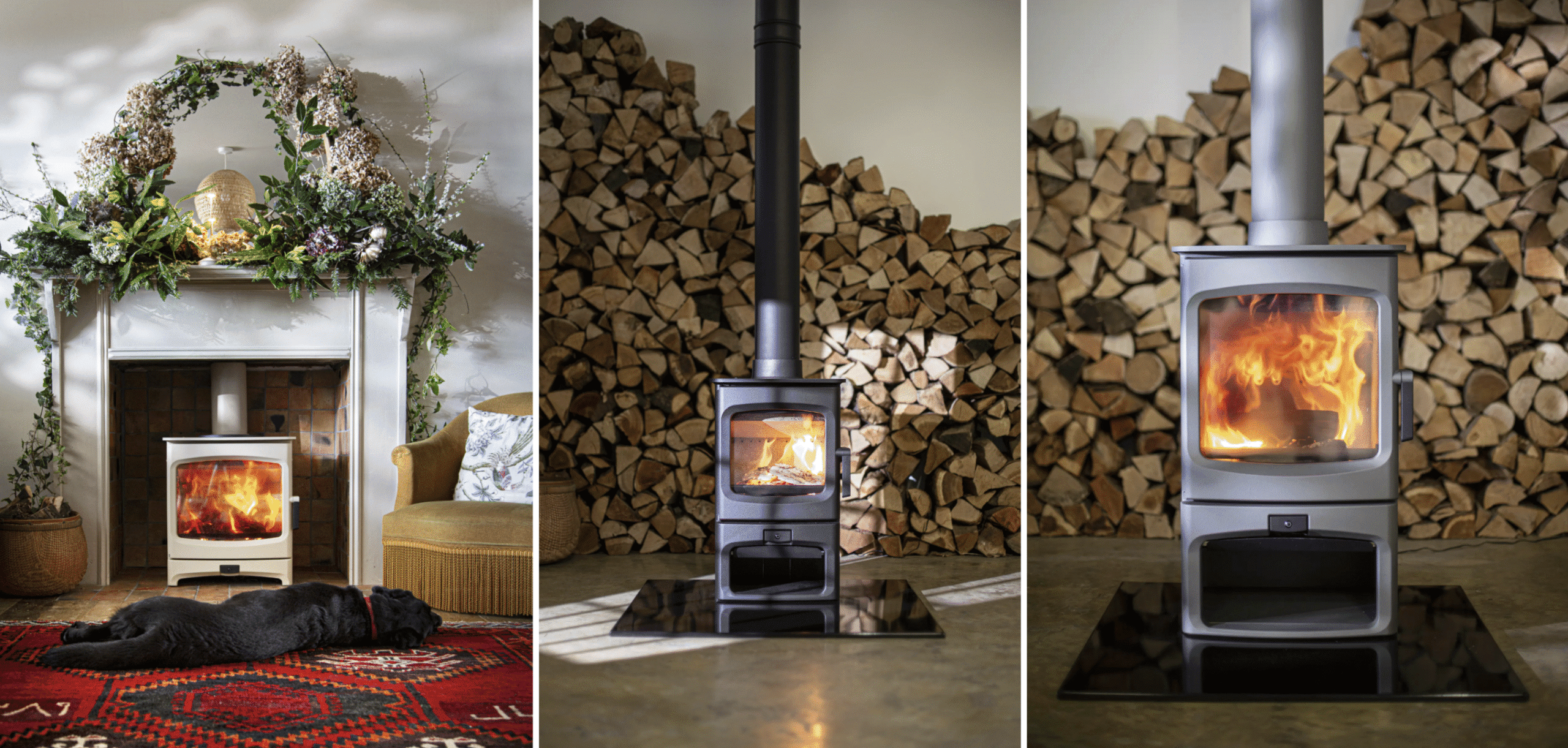
Stoves have already improved significantly over the past decades, and innovation continues. Advances in combustion design and intelligent control systems are helping to reduce emissions further while improving ease of use for consumers and actually reducing fuel costs. Early users of our Aire intelligent modern wood burning stoves are already reporting fuel savings of up to 50 percent, crystal-clear glass and barely any ash. Operation is now so simple, just load it, light it, leave it, and the stove does the rest.
Click here for the full brochure.
A practical, balanced approach
If the goal is cleaner air and a more resilient energy system, the path forward is straightforward:
•continue replacing older appliances and open fires with modern Ecodesign stoves
•promote the use of dry, ready to burn certified fuel
•support good burning practices
•maintain a balanced mix of energy sources
_______________________
Energy systems work best when they are balanced, flexible and able to cope with uncertainty. Modern wood burning is one part of that balance, providing dependable heat, supporting the wider energy system and continuing to improve as technology advances.
At a time when the world feels less stable and more unpredictable than ever, maintaining that resilience is not just sensible, it feels ever more necessary.