Setting the record straight: the stove industry is asking for fairness, balance and accuracy, not silence
A recent article is trying to suggest that the stove industry is attempting to silence councils by threatening legal action over anti-wood burning campaigns. That interpretation totally misses the point.
The Stove Industry Association (SIA) has simply written to several councils asking that public campaigns about wood burning are accurate, proportionate and based on the available evidence. The issue is that too often messaging suggests that all wood burning is the same, or compares modern stoves to entirely different sources of pollution and it risks misleading the public rather than helping them make informed decisions.
It should be no surprise that councils would be asked to correct the record or receive push back for misleading communication.
If we want cleaner air, the starting point has to be good data and information.
Not all wood burning is the same
A persistent problem in the public conversation about wood burning is that very different technologies are often grouped together with campaigns treating the following as a single category:
•Open fires
•Old poorly maintained stoves
•Burning wet or unsuitable fuel
•Modern Ecodesign stoves burning dry logs
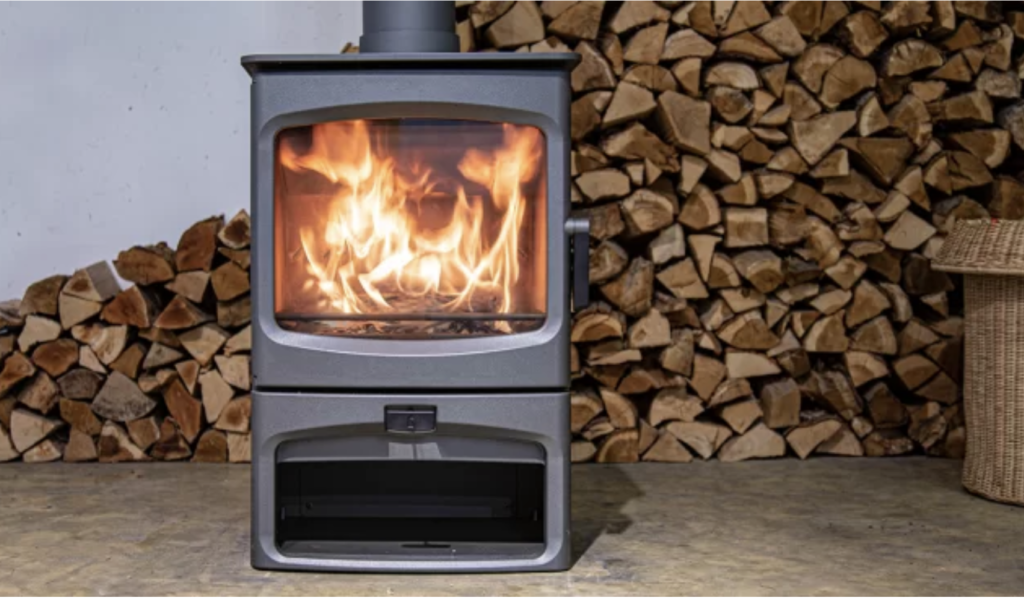
However, these are simply not comparable. Open fires and old appliances produce far higher emissions (up to 80-90% more) than modern designs! Today’s Ecodesign stoves burn far more efficiently, using advanced combustion systems to burn particles before they leave the stove. Treating all domestic burning as the same inevitably exaggerates the impact of modern stoves and distracts from where the biggest improvements can actually be made.
The latest data shows emissions are falling
UK Government statistics show particulate emissions from domestic combustion have fallen by 26% between 2018 and 2024. And between 2023 and 2024 whilst there was more wood burnt, the total emissions from EcoDesign stoves burning wood actually decreased by 1.44%. This is despite there being more EcoDesign stoves in circulation (as these are now the only stoves allowed to be sold).
The UK Informative Inventory Report backs this up stating, “since 2018, a decline in emissions from small combustion is evident although wood use has increased in the same period. The reduction in PM2.5 emissions from small combustion in recent years reflects introduction of cleaner residential wood-burning appliances into the market and also a reduction in emissions from use of wet wood.”
This is encouraging and reflects the following developments over the past decade:
•The transition to modern Ecodesign stoves
•Introduction of Ready to Burn fuel standards
•Better public awareness about burning practices
Importantly to note, the domestic combustion category now includes additional outdoor burning sources such as fire pits and chimineas. Even with those included, emissions still fell and show that modern, cleaner appliances and better fuel are making a measurable difference.
When campaign claims are challenged
In 2024 the Advertising Standards Authority responded to complaints about Brighton & Hove City Council’s “Cosy Killer” campaign, which linked particle pollution to “1 in 20 deaths”. The ASA issued an advice notice after the complaint challenged whether this claim could be substantiated. The regulator explained that where consumers are likely to interpret a statement as an objective claim, advertisers must hold adequate evidence to support it. The council received guidance on how future messaging should align with advertising standards.
Another claim used in the campaign missleadingly compared emissions from domestic wood burning with road traffic. When updated DEFRA emissions data became available, the council adjusted elements of the campaign messaging to reflect the newer information.
The “1 in 20 deaths” statistic used in the posters was again misleading as it referred to particulate air pollution from all sources combined. Presenting the figure alongside an image of a stove risked implying a direct connection that the underlying evidence simply does not support.
The lesson is that strong public claims require strong evidence and is why the SIA continues to communicate with councils and beyond.
The real route to cleaner air
If the goal genuinely is cleaner air, the most effective steps are already well understood and what we continue to champion.
They include:
•Replacing open fires and older appliances with modern Ecodesign stoves
•Using dry, certified fuel
•Educating users about correct burning practices
•Enforcing existing smoke control regulations
These measures target the highest emissions first and deliver the greatest improvements, while maintaining the unique benefits of wood burning– ever more vital in a world where energy security is increasingly unstable. In contrast, campaigns that treat all wood burning as the same end up distracting from the solutions that actually work.
Progress comes from innovation
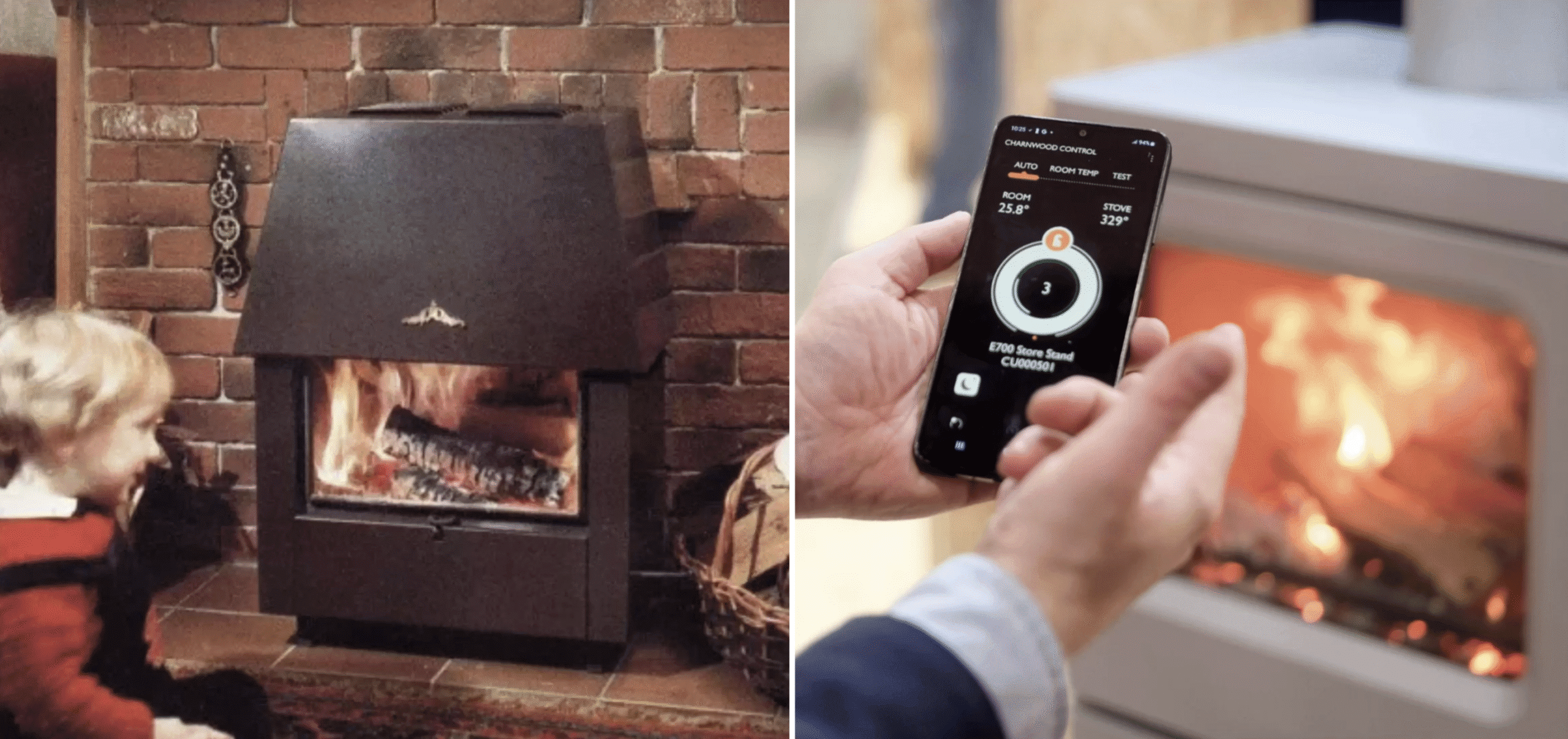
For us and other stove manufacturers, reducing emissions has been a core motivation for decades. Modern stoves now use sophisticated combustion systems that dramatically reduce emissions while significantly improving efficiency. Our new intelligent I-Blu technology automatically optimises combustion and is pushing improvements even further.
Cleaner air will not come from exaggeration or fear. It will come from continued innovation, better fuel standards and responsible use. The data shows that progress is already happening and the most effective path forward is to build on that progress, not ignore it.