No, modern wood-burning stoves are not “causing 2,500 deaths”
You may have seen claims that wood burning in homes causes 2,500 deaths a year and costs the NHS £54 million. These come from a new modelling report, not from records of individual cases. The figure is a model-based, assumption heavy estimate that aims to assess risk and does not mean 2,500 people were “killed by stoves”. Crucially, the report does not separate modern, Ecodesign stoves from open fires and very old appliances, which behave very differently.
Does it feel or sound right? A quick sense check
Real world energy and heating choices involve inevitable trade-offs that require careful consideration of many factors. A recent news story, however, serves as a good example of how short sighted thinking can get things wrong. Plans are in place for thriving woodland to be cleared to install solar farms, which means swapping a natural, living and biodiverse carbon sink for manufactured energy infrastructure- which commonsense surely says can’t be right. We shouldn’t count only the potential electricity produced but also weigh that against the carbon stored in trees, habitat for wildlife, local jobs and skills, and energy security. We support solar renewables (we have extensive solar on our factory roofs), yet decisions like this, which could see natural habitat cut down for technology ironically intended to protect it, show why policy goes wrong when it chases targets and slogans at all costs.
Likewise, regarding home heating, we have to take into account many factors. The question is not a binary “are stoves good or bad,” but how to heat cleanly, affordably and resiliently and optimise the technology we already have. Wood burning stoves offer a range of unique benefits and technology is advancing quickly. Good policy should weigh trade-offs in the open and follow the evidence, not the loudest slogan.
What the “2,500” figure actually represents
•It models how pollution from all types of domestic burning (which is misleading as modern stoves are up to 90% cleaner than open fires and old stoves) might affect outdoor air, then turns that into a population level health estimate.
•The report presents results as life-years lost and “attributable” deaths. This is a standard policy tool, but it is often misunderstood or used to create fear inducing headlines in the media- ultimately, because that gets clicks.
The Winton Centre for Risk and Evidence Communication explains this well. “Attributable” deaths are not a count of real people whose cause of death is known to be wood smoke. They are a way of expressing an estimated share of risk across a population. It helps compare policies, but it should not be reported as if 2,500 named people died from stoves.
Perspective on NHS costs
The report’s £54 million NHS cost headline sounds large until you compare it to other routine pressures facing the NHS:
•Obesity costs the NHS at least £5.1 billion a year in England.
•Alcohol-related harm is around £3.5 billion a year.
•Health inequalities add roughly £4.8 billion a year.
•Physical inactivity is close to £900 million a year, with cardiovascular disease a major driver.
This is not to minimise the importance of air quality, something that we are passionate about and which is why we spend hundreds of thousands of pounds on innovation, however, it is to say that £54 million is small in context, and targeted, proportionate measures make far more sense than blanket bans.
Another perspective, could be to say that staying active helps and an hour stacking or splitting dry logs, done safely, is great physical activity. Paired with a modern, clean-burning stove and dry, locally sourced fuel, you get warmth, resilience and a small health dividend too.
Why the headlines are misleading
The statistical modelling groups open fires, coal, manufactured solid fuels and wood appliances of all ages together under domestic combustion. That masks the huge difference between a modern sealed stove burning dry logs and an old or open appliance.
Treating them as the same overstates impacts from today’s cleanest technology and risks misdirecting policy and misinforming the public. Independent testing for the Stove Industry Association shows modern Ecodesign stoves can cut particulates by up to ~90% vs open fires and ~80% vs older stoves. The quickest win seems obvious- replace outdated burning with modern ultra efficient stoves burning dry seasoned wood.
Why modern wood stoves still matter
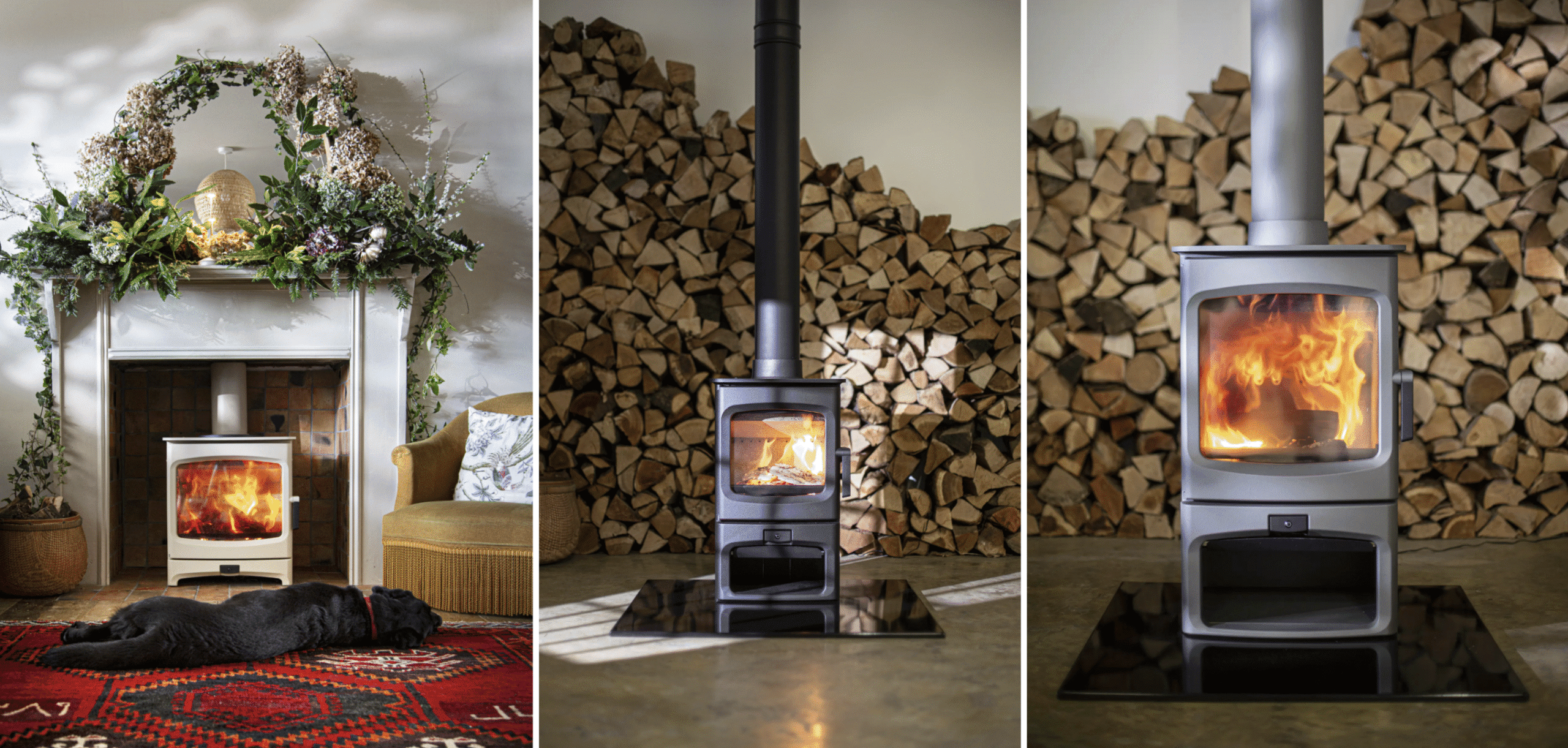
Using the same style of modelling, cold and damp housing is linked to around 4,950 excess winter deaths in 2022–23. Therefore, under-heating and poor ventilation should be a serious part of the wood-stove debate and one of the many factors considered. A modern wood-burning stove provides controllable, local, renewable heat that helps households keep living spaces warm consistently, including during cold snaps and power cuts.
In older properties designed to work with a chimney drawing air through the house, a sealed modern stove can restore that gentle movement of air while providing steady background warmth. The result is drier surfaces, less condensation and mould, and a more comfortable, resilient home. These indoor health benefits are not reflected sufficiently in this report, yet for many households they are so important. A modern stove can absolutely sit alongside heat pumps, solar and better insulation and it is certainly not either-or. It is about having a heating mix that works effectively in the real world.
A better path: balance, not bans
If clean air is the goal, we should be targeting the real contributors:
•Phase out open fires for regular use.
•Never burn wet wood or waste; use Ready to Burn logs ≤20% moisture.
•Replace legacy appliances with modern Ecodesign (ideally clearSkies-rated) models.
•Enforce existing smoke-control rules fairly.
At the same time, we should be open about the uncertainty around the debate. These health figures depend on assumptions about exposure, appliance mix and fuel quality, which are notoriously hard to parse out.
Read our essential stove tips here
A call for sensible debate
Many people worry that talk of bans feels less about cleaner air and more about new ways to tax households or increase reliance on big energy. Whether or not you share that view, we believe it is fair to keep asking for policies that are balanced, practical and transparent. We keep trying to engage in good faith with campaigners and public-health bodies, including offering to meet face to face. Too often the response is dismissive, which is a real shame, because we believe genuine progress happens when people sit down, compare evidence and work through trade-offs together.
Our position is simple. Let’s replace the worst forms of burning with the best. Encourage dry fuel and good practice and keep pushing innovation. Improve the data so modern, clean stoves are not grouped with open fires and older models. Keep the conversation open, honest and human so we can achieve what we all want, which is cleaner air and warm, resilient homes.
Sources & further reading
•Obesity Health Alliance+2NHS England+2
•Telegraph – Woodland vs solar trade-off report.
•https://www.charnwood.com/news/introducing-aire-intelligent-smarter-cleaner-wood-burning