ASA ruling shows why the wood-burning debate needs balance and evidence
Alongside the Stove Industry Association, we support the Advertising Standards Authority ruling against Brighton & Hove City Council’s “Cosy Killer” campaign, which linked higher winter particle pollution near four primary schools to “wood burners and open fires”. The recent ruling matters because it reinforces something we have long argued for at Charnwood. Public discussions about air quality must be accurate, balanced and properly evidenced. Clean air is important, and concerns about pollution should always be taken seriously, but strong public claims need strong evidence behind them, especially when they risk causing confusion around modern wood-burning stoves.
In this case, the ASA found that the council’s advert was misleading because it implied that wood burners and open fires were responsible for the reported rise in particle pollution around the schools. While the council had data showing higher PM2.5 levels in colder months, the ASA concluded that this did not prove wood burning was the cause because higher pollution in winter does not automatically point to one source. Air quality is shaped by many factors, including weather, Saharan dust, local geography, traffic, heating use and other combustion sources. Public campaigns should help people understand that picture clearly, rather than reduce a complex issue to a simple slogan to suit an agenda.
Not all domestic burning is the same
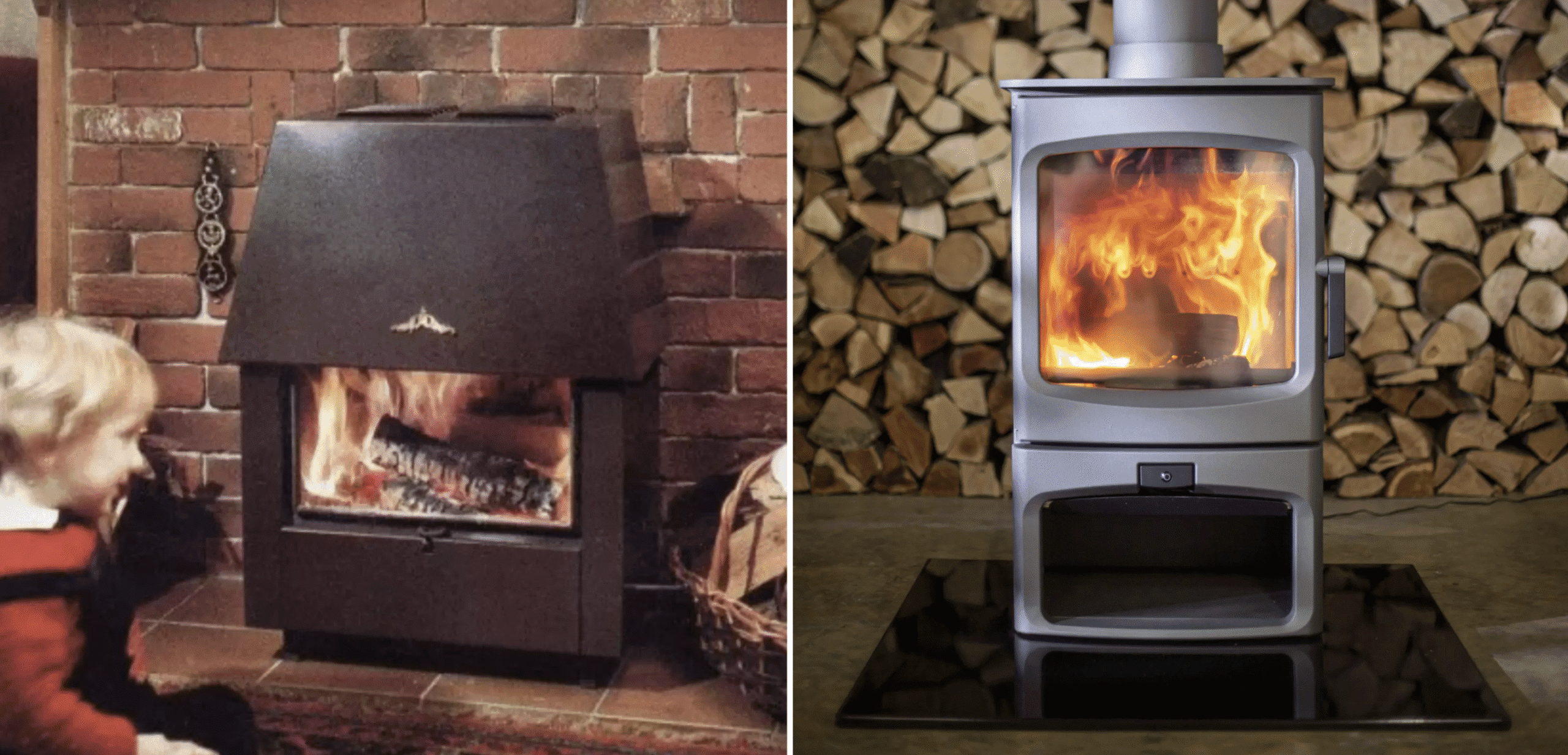
One recurring problem in the wood-burning debate is that open fires, older appliances and modern Ecodesign stoves are often discussed as though they are the same thing. However, a modern stove is a very different appliance from an open fire.
Firstly, it is sealed, but it’s also designed to burn fuel far more efficiently, with strict EcoDesign emissions and efficiency standards in place. When used correctly with dry wood fuel, a modern Ecodesign stove produces significantly lower particulate emissions than older technologies and gives far more useful heat into the room.
Cleaner air comes from practical improvements
The best route to cleaner air is not to confuse people or use fear, but to work towards honest practical progress. That means replacing open fires and older appliances with modern Ecodesign stoves, using dry wood fuel, maintaining chimneys and appliances properly, and helping people understand how to burn well. These measures focus on where the biggest improvements can be made while preserving the benefits that modern wood burning brings to households.
For many people, a stove is not simply a source of heat. It offers real comfort, genuine resilience, and a sense of connection in the home. It can help households heat the room they are using, reduce pressure on their main heating system, and provide reassurance during power cuts or periods of high energy prices. Those benefits cannot be ignored, but we are in absolute agreement that they must go hand in hand with responsible use.
At Charnwood we support honest conversations about air quality because we believe that cleaner air and modern wood burning can move forward together. We have spent more than 50 years improving stove design, reducing emissions and helping people heat their homes more efficiently. That work continues through cleaner combustion technology and intelligent stoves that make good burning easier in everyday life.
The SIA’s response to the ASA ruling does not dismiss air quality concerns, but calls for a better conversation. One that recognises the differences between appliance types, fuel quality and how people actually use their stoves at home.