Cleaner air and the role of modern wood burning
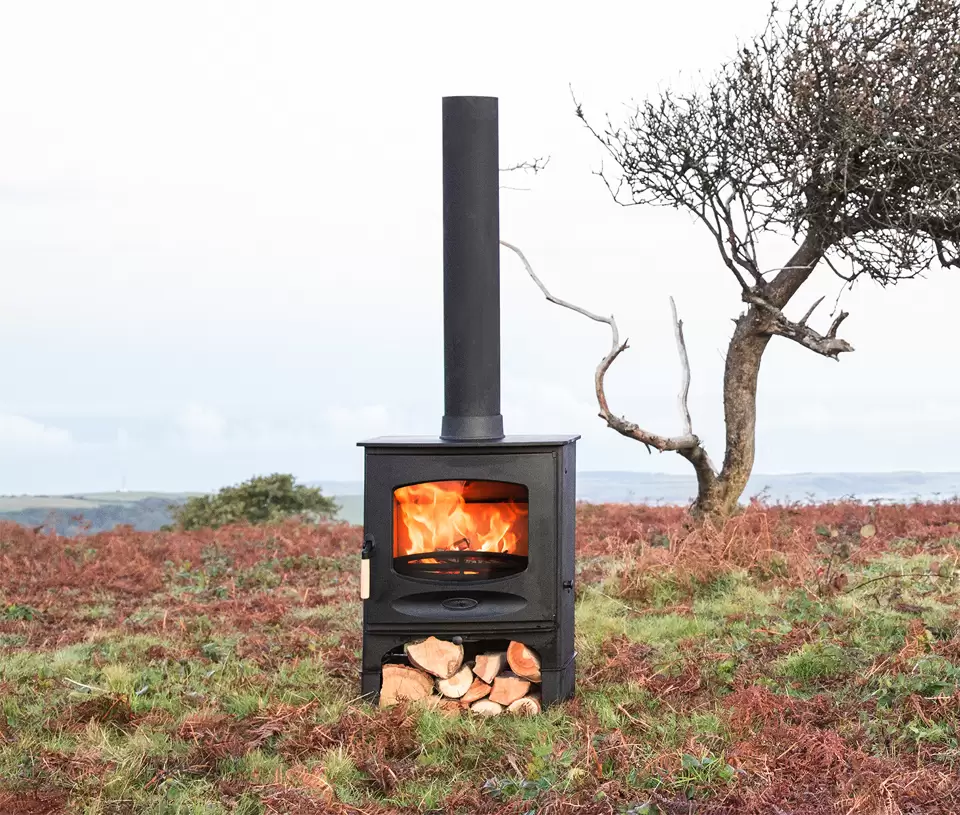
Reports that the Mayor of London is seeking additional powers that could allow area specific restrictions on domestic solid fuel burning have brought wood burning back into the air quality debate. In response, the Stove Industry Association has called for future policy to recognise the important difference between open fires, older appliances and the modern Ecodesign compliant stoves available today.
The SIA fully accepts that domestic combustion contributes to particulate emissions and that continued progress is needed. However, its concern is that broad restrictions could overlook the improvements already being made through cleaner stove technology and better fuel.
Modern stoves are different
The way wood is burned has changed considerably over recent years, particularly as Ecodesign technology has become more established in the UK. Manufacturing members of the SIA were producing Ecodesign compliant models voluntarily from 2017, which was five years before the requirements actually became mandatory for new solid fuel room heaters in 2022.
These modern appliances are designed to burn wood much more efficiently and with far greater control than older stoves or open fires. Fuel quality also really matters, which is why the industry continues to promote properly seasoned or certified dry wood alongside good stove operation and regular maintenance.
The latest data shows progress
Recent Government emissions data provides some encouraging context, showing that total PM2.5 and PM10 emissions from domestic combustion fell by more than 7 per cent between 2023 and 2024. Over the longer period from 2018 to 2024, Government figures show that domestic combustion emissions of both pollutants fell by 26 per cent.
These figures cover domestic combustion as a whole rather than modern wood burning stoves alone. The category includes households burning wood alongside other solid fuels, using appliances of all different ages and types. This makes it particularly important not to use broad national figures as though they describe the performance of every individual stove.
The National Atmospheric Emissions Inventory has also identified the uptake of Ecodesign compliant stoves as a factor contributing to a decrease in domestic combustion emissions. As newer appliances continue to replace older and less efficient models, there is good reason to keep supporting that transition.
Read more on how better data shows the progress of modern stoves
Focus on where improvements can be made
For the SIA, the important question is how further reductions in emissions can be achieved in practice. That means increasing the use of the best performing appliances and appropriate fuel, supported by better consumer understanding and correct installation.
That approach also means recognising where the greatest opportunities for improvement remain. An open fire or an older stove should not be treated as though it performs in the same way as a modern Ecodesign appliance using dry wood, because the technology and combustion process are very different.
There is clearly more work to do, and as a manufacturer we never stop innovating to continue improving appliance performance through technological development. At the same time, the recent emissions trends show why the progress already being made should be a bigger part of the conversation.
A wider role for modern stoves
The SIA also highlights benefits that extend beyond the appliance itself. Wood arising from responsible woodland management can provide a useful source of fuel while supporting woodland activity and the wider rural supply chain.
Modern stoves can also offer households a dependable secondary source of heat that does not rely directly on the electricity grid. At a time when household energy resilience is receiving greater attention, the ability to maintainwarmth during a power interruption remains an important practical benefit for many stove owners.
Of course these wider benefits do not remove the need to improve air quality, but they are part of the reason whythe discussion around modern wood burning deserves balance and proper context.
Building on the progress already made
The SIA is not arguing for domestic combustion to escape scrutiny, but rather asks that modern appliances are assessed according to how they actually perform and that policy recognises the improvements already achieved.
For Charnwood, this is a familiar principle because better combustion has been at the heart of stove development since our founders began over 50 years ago. Continuing to improve technology, encouraging the use of dry fueland helping people burn responsibly offers a practical route towards further reductions in emissions while retainingthe wide range of unique benefits a modern stove offers a home.