Dynamic pricing, surge pricing and winter bills. How a modern wood-burning stove adds resilience at home
Dynamic pricing has crept more and more into daily life. A taxi costs more when it rains, big sports fixtures sell at a premium and concert tickets rise the moment demand spikes (remember the Oasis reunion gigs?!). Prices move, and if you have no alternative and the need is strong enough, you simply have to pay.
Energy already shows signs of a similar pattern. There are time of use tariffs, peak alerts and higher bills in cold snaps. None of this is necessarily sinister, it is how markets manage strain, yet it can make winter feel precarious. If you cannot easily shift when you heat your home, the times you need warmth most can be the times it is most expensive.
A practical response is to keep at least one heating option that is not tied to the grid. A modern, efficient wood burning stove can play that role alongside heat pumps, solar and insulation, giving you more control when the grid is under pressure.
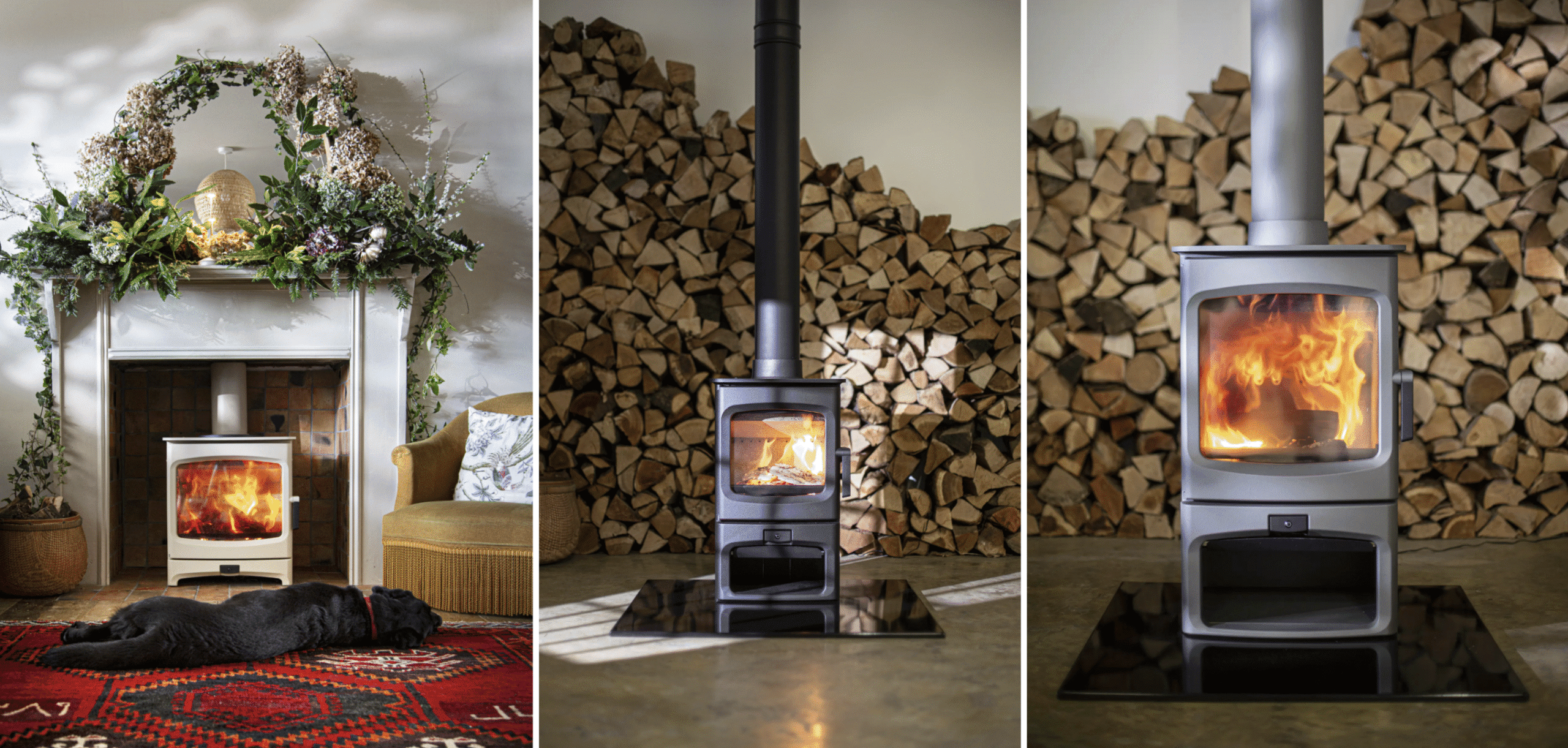 A modern Ecodesign stove provides controllable heat from dry, local logs. It works when the grid is stressed, and it lets you heat the room you are in rather than the whole house. That combination lowers your exposure to peak time costs and gives a reliable fallback in power cuts.
The good news is that done well, this is not at odds with clean air. Independent testing has shown that modern stoves, used with dry, seasoned fuel and correct technique, produce far fewer particulates than open fires and older appliances. The difference is large and it is the reason policy focuses on phasing out the worst burning, encouraging dry fuel, and promoting proper installation and use.
A modern Ecodesign stove provides controllable heat from dry, local logs. It works when the grid is stressed, and it lets you heat the room you are in rather than the whole house. That combination lowers your exposure to peak time costs and gives a reliable fallback in power cuts.
The good news is that done well, this is not at odds with clean air. Independent testing has shown that modern stoves, used with dry, seasoned fuel and correct technique, produce far fewer particulates than open fires and older appliances. The difference is large and it is the reason policy focuses on phasing out the worst burning, encouraging dry fuel, and promoting proper installation and use.
The surge economy and your winter heat
Time of use and other flexible tariffs are becoming more common and pricing could become more variable in the years ahead. Whilst they help shift demand, they can mean higher prices for households at the busiest times. Heating is not something you can postpone and when a cold snap hits, warmth is non negotiable. Even without special tariffs, winter bills often rise, with demand going up after dark, the grid working harder, and wholesale prices being volatile. A sensible approach is to reduce exposure to peaks and build a little resilience at home. A clean, modern wood burning stove helps you heat the room you are in, store fuel in advance (potentially from a free source), and stay comfortable during power cuts.What a modern stove changes
&nsbp;
A modern Ecodesign stove provides controllable heat from dry, local logs. It works when the grid is stressed, and it lets you heat the room you are in rather than the whole house. That combination lowers your exposure to peak time costs and gives a reliable fallback in power cuts.
The good news is that done well, this is not at odds with clean air. Independent testing has shown that modern stoves, used with dry, seasoned fuel and correct technique, produce far fewer particulates than open fires and older appliances. The difference is large and it is the reason policy focuses on phasing out the worst burning, encouraging dry fuel, and promoting proper installation and use.
Cost control that is not at odds with the climate
Wood is a renewable fuel when sourced from well managed woodland. A benefit of short and traceable supply chains is that they create a local loop that supports forestry, biodiversity and rural jobs. Storing dry logs at home can give you a buffer against price spikes and bad weather, giving people’s homes resilience when it counts. None of this means focusing on wood alone, as the most robust homes combine a modern stove with insulation, good ventilation, heat pumps where suitable and on site renewables where possible. The point is encouraging a balanced energy mix, as each tool has its strengths and limitations. A stove can fill the gaps that other technologies leave, providing a host of unique benefits that are especially welcome on the coldest evenings.Clean practice is what makes the difference
- Choose a modern Ecodesign or clearSkies rated stove and use an experienced, approved installer.
- Burn dry, ready to burn logs at twenty percent moisture or below. Store them off the ground and under cover with good airflow.
- Use the ‘Top Down’ method. You can read more about how to light a wood burner here.
- Sweep and service so the appliance stays efficient and the chimney stays clear.