
Warm homes matter as energy bills rise again
With Ofgem confirming that the energy price cap will rise by 13% from July, many households will once again be thinking carefully about how they heat their homes. For a typical dual-fuel household paying by Direct Debit, the annualised cap will rise from £1,641 to £1,862 for the period from 1 July to 30 September 2026. That is around £18 more per month if this is sustained over a year.
Cost, carbon emissions and air quality are all important, but there is another part of the conversation that should not be overlooked. Warmth itself really matters. The Stove Industry Association has highlighted this in its recent article, Why Warm Homes Matter for Health and Wellbeing, which is well worth reading in full.
Staying warm at home is essential, particularly for older people and those with existing health conditions. UK Government cold-weather guidance states that anyone can become unwell if they get too cold, and advises people to heat the rooms they spend a lot of time in to at least 18°C where possible.
Warmth supports health
Our bodies work hard to maintain a stable temperature, therefore when a home becomes too cold, the body has to work harder too, and so prolonged exposure to cold indoor conditions can affect far more than comfort. The World Health Organization’s housing and health guidance recognises that indoor temperatures should be high enough to protect people from the harmful effects of cold, with 18°C proposed as a safe indoor temperature for general populations in colder seasons. It also notes that vulnerable groups may need warmer indoor temperatures.
Cold homes can place extra strain on the cardiovascular system, worsen respiratory problems and affect mental wellbeing, sleep and daily comfort. It also notes that damp and cold homes can increase mould risk, particularly for people with asthma. This is why warmth should sit alongside air quality and carbon when we talk about heating policy. A healthy home needs affordable warmth and proper ventilation.
Choice and resilience matter
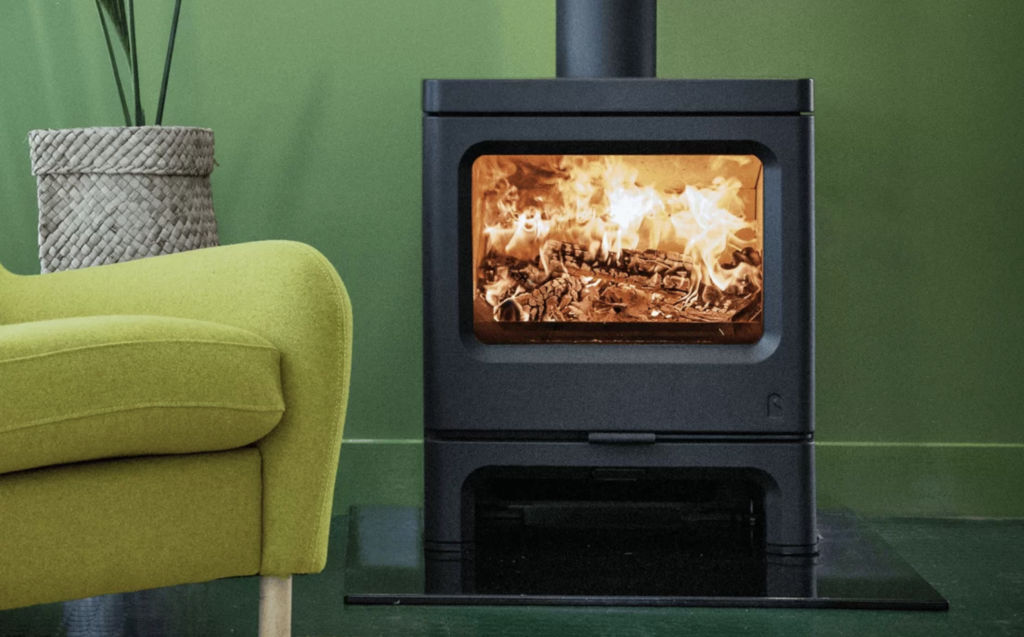
For many households, especially in rural or off-grid areas, having more than one way to heat the home provides a real sense of reassurance. Energy prices can change quickly, while severe weather and power cuts can happen at the worst possible time. In those moments, a modern wood-burning stove can be a genuine life saver by offering dependable heat from a locally available fuel source.
The SIA has long argued that modern, efficient stoves should be recognised for their role in affordable warmth, consumer choice and household energy security. A modern Ecodesign stove using dry, seasoned wood fuel can sit alongside other heating technologies, including heat pumps and solar. It allows a household to heat the room they are using, reduces pressure on the main heating system and helps families retain independence when the grid is under strain.
Responsible heating is the key
Air quality matters deeply, and modern wood burning must always be done responsibly. That means choosing a modern, efficient stove, having it installed and maintained properly, using dry fuel at 20% moisture or below, and following the manufacturer’s guidance for clean, efficient burning. Good stove practice is essential and makes a huge difference to emissions.
Read our Essential Stove Tips here
A balanced way forward
At Charnwood we believe modern wood burning has an important role to play. A modern Charnwood stove provides efficient heat, unrivalled comfort and resilience, while modern clean burn technology continues to reduce emissions and improve everyday use.
As energy bills rise once again, the answer should not be to narrow household choice. It should be to help people heat their homes well, safely and responsibly. Warm homes matter, and modern wood-burning stoves is one key way of helping provide that warmth when it is needed most.