
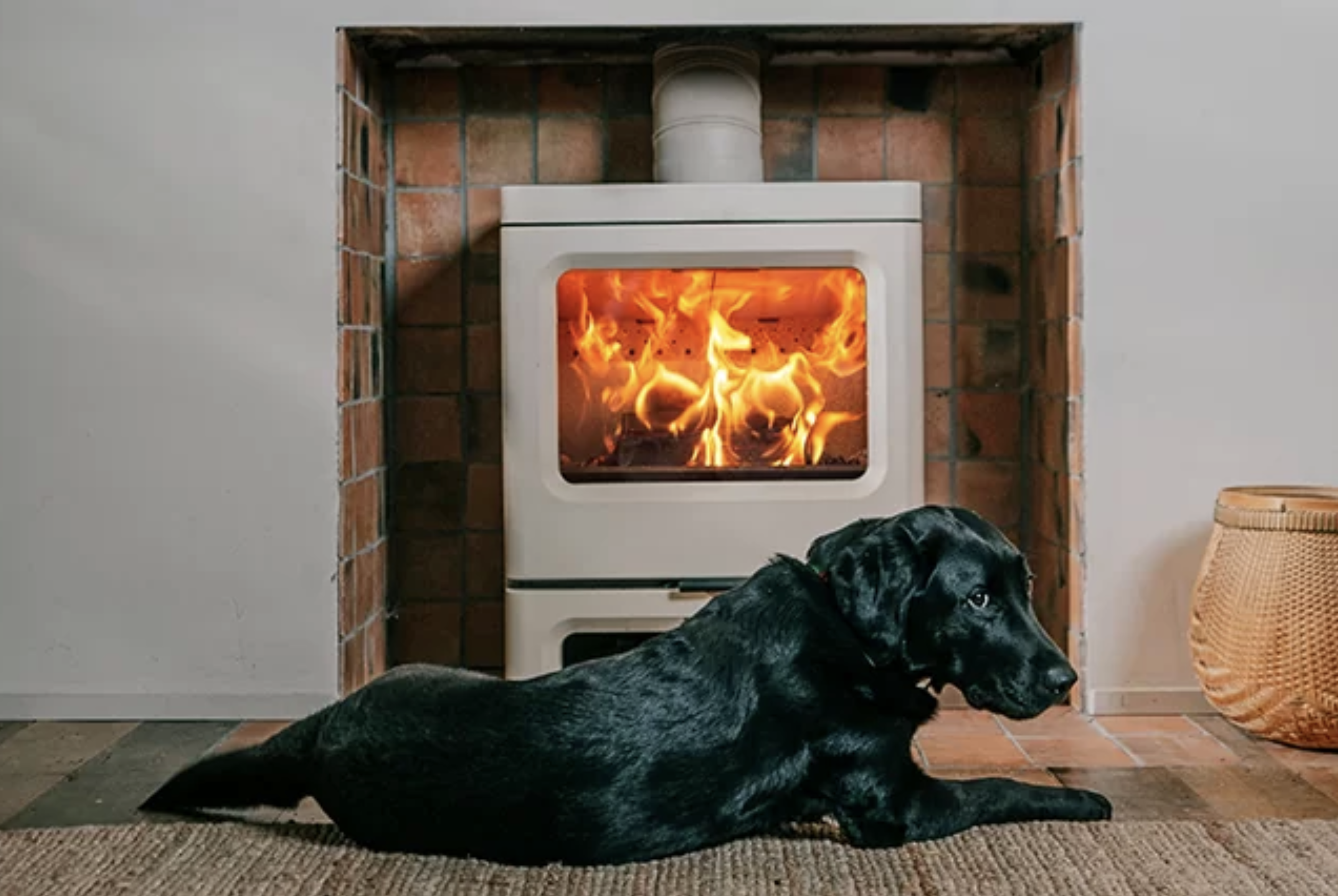

A recent update from the Stove Industry Association, based on newly released UK Government emissions data, highlights a clear and encouraging trend. Between 2023 and 2024, particulate emissions from domestic combustion fell by 7.4%, which is a reduction that is roughly twice the overall national rate of decline.
A sector moving in the right direction
The SIA analysis makes it clear that this is not a one off improvement, but part of a longer term shift. Emissions from domestic combustion have been falling in recent years, even as people’s patterns of usage have changed and new sources, such as outdoor burning, have been included in the data.
Crucially, the way people are now burning wood has been steadily improving, with modern Ecodesign stoves being central to that change. Designed to burn fuel more completely and efficiently, they are a significant step forward compared to open fires and older appliances. As newer stoves replace older systems, emissions have clearly been falling, even where overall wood use has increased.
Technology, fuel and behaviour working together
The SIA notes that improvements in technology, fuel and user behaviour are working together to reduce emissions in a way that is both practical and sustainable.
Appliance standards have improved through Ecodesign regulations, raising the baseline for performance across the market. Fuel quality has improved through the introduction of Ready to Burn certification, helping ensure wood is used at the correct moisture level (<20%). At the same time, public understanding of how to burn well has increased.
Read our Essential Wood Burning Tips here!
Supporting a more resilient energy system
Alongside air quality, there is the wider context that is becoming increasingly important. Energy systems are changing, and with that change comes a greater need for resilience.
As explored in our recent article on energy shocks and resilience, periods of instability in global energy markets have a direct impact on how people heat their homes. When prices rise or supply is under pressure, households look for options that offer greater control and certainty. Wood burning has a big part to play, however it is vital that people use the most efficient technologies and so it is vital people are prepared.
Modern wood-burning stoves offer dependable, controllable and efficient heat that sits alongside other technologies rather than competing with them and reduce reliance on a single energy source and provide independence when supply is constrained. In a system that is increasingly unpredictable and more reliant on intermittent renewable generation, this kind of flexibility has a clear role to play, helping to fill gaps when supply is low and demand is high.
Rather than being an alternative to cleaner energy, modern wood burning can form part of a balanced approach, supporting a system that is both lower in emissions and more resilient.
Continuing to improve


At Charnwood, reducing emissions while improving performance has been a focus for decades and part of an ongoing process. Today, that work continues through developments such as the Charnwood Aire Intelligent range, which uses intelligent technology to optimise combustion in real time. By continuously adjusting the air supply, these stoves help ensure that fuel is burned as cleanly and efficiently as possible, delivering consistent performance while further reducing emissions. Early users are already reporting fuel savings of up to 50 percent, with crystal-clear glass and barely any ash. They also comment on how easy operation is- just load it, light it, leave it, and the stove does the rest.
A balanced view
None of this suggests that domestic combustion has no impact. It does, and that is why standards and improvements matter. What the SIA update shows, however, is that things are moving in the right direction, with emissions falling, technology improving and measures introduced over recent years having a measurable effect. Cleaner air and modern wood burning are not opposing ideas and with the right appliances, the right fuel and the right approach, they can absolutely move forward together.
Looking ahead
Replacing older appliances, maintaining high fuel standards and supporting good burning practice will ensure that emissions continue to decline. The latest data, as highlighted by the Stove Industry Association, shows that this approach is already delivering results. The most effective path forward is not to step away from that progress, but to build on it.
The full SIA summary is worth reading in detail here:
https://stoveindustryassociation.org/uk-domestic-combustion-emissions-fall-2024
______________
If you would like help choosing the right model for your space, your local Charnwood stockist can size and specify a stove, advise on fuels and show you our latest range of stoves in action.