


Smoke is bad. There, we have said it. You may well ask what a wood burning stove company is doing admitting that. Surely, we should be trying to defend smoke, because that is what stoves do, right?
Well no, absolutely not. For over 50 years at Charnwood, we have been developing ways of reducing smoke emissions in our stoves, because we want clean air! That is what we do.
We strongly believe that heating with wood has many unique benefits, including sustainability, increasing wellbeing, and community. However, we also recognise there are downsides, but that is true of every form of heating and, indeed, most things in life. Our job as stove makers is to keep innovating so emissions continue to fall while preserving the many benefits that draw people to a real fire in the first place.
Progress, and why it gets ignored


Modern stoves are 80-90% more efficient than older stoves and open fires
We and others in the industry have been very successful in cutting emissions. Since 1970 we have seen a huge reduction in smoke emissions and the air quality in the UK has never been better. More recently, since 2018 UK Government statistics show significant reductions in PM2.5 emissions from domestic combustion, despite a lot more stoves being installed over the period of the pandemic.
However, the media headlines again recently have been telling us how stoves are causing health problems, even including making us fat!
So what is going on?
Catastrophising and fear
To catastrophise means to ‘overestimate the danger and underestimate your ability to cope’.
Rev Nicky Gumbel writes: Catastrophising leads to fear and is the opposite of faith. Fear tells you that you will not be able to cope. Faith tells you that your Father in heaven knows when you will need strength to cope and he will supply all you need just in time. God will arm you with the strength that you need for whatever lies ahead.
This is about life, but it also says something about the current debate, and indeed other narratives in the media. In many ways modern society has become more and more risk adverse and scared. Things that we have long understood carry some risk are now sometimes presented as far more dangerous than the evidence suggests. Irrational and exaggerated fears seem to be constantlyprojected onto us.
Smoke, and what we have always known
Smoke is just one example, and we have known for a long time that it is not good for us. Whether it comes from car exhausts, bonfires, or cooking sausages in a frying pan or on a barbecue, when we are faced with a plume of smoke we instinctively turn away or cover our faces.
Because we know it matters, we have tried to reduce exposure in sensible ways. Smoking has been restricted because the whole point of smoking is to inhale smoke, and that is not good for anyone. Where smoke is a by-product of something useful, like transport, cooking, or heating, work has been done to minimise emissions through better technology, better standards, and better behaviour. That approach has worked, and the UK’s air quality is now cleaner than ever, even if some of that progress has come at the expense of those countries that make many of the products we use.
The consultation, and what it is really asking
Recently we have seen a government consultation asking whether regulations should be tightened further and whether warning labels should be placed on stoves and wood fuel. We would not oppose further improvements in regulation. However, the real-world impact may be limited, since such changes would not affect the large number of older appliances already in use or other forms of burning, including outdoor fires, which can produce far higher emissions. Modern Ecodesign stoves are already very clean by comparison.
Warning labels are also likely to be met with public scepticism. The emissions produced inside the home from normal activities such as cooking, frying and even burning candles can often far exceed those from a well run modern stove. Placing warnings on stoves without acknowledging these wider sources risks creating a distorted picture of indoor air quality.
This is why some observers worry that the consultation could drift beyond sensible improvements into something closer to regulatory overreach, with calls from ‘clean air’ activists to restrict or even ban modern stoves despite the progress already made.
So, what is the objective? Good air quality or a ban on stoves? Let’s be clear, attacking the cleanest products is not the same as improving air quality. What is truly behind the motivation of those wanting a ban is difficult to understand, and it would be unfair for us to speculate. What we can explain however, are our motivations.
Our motivations
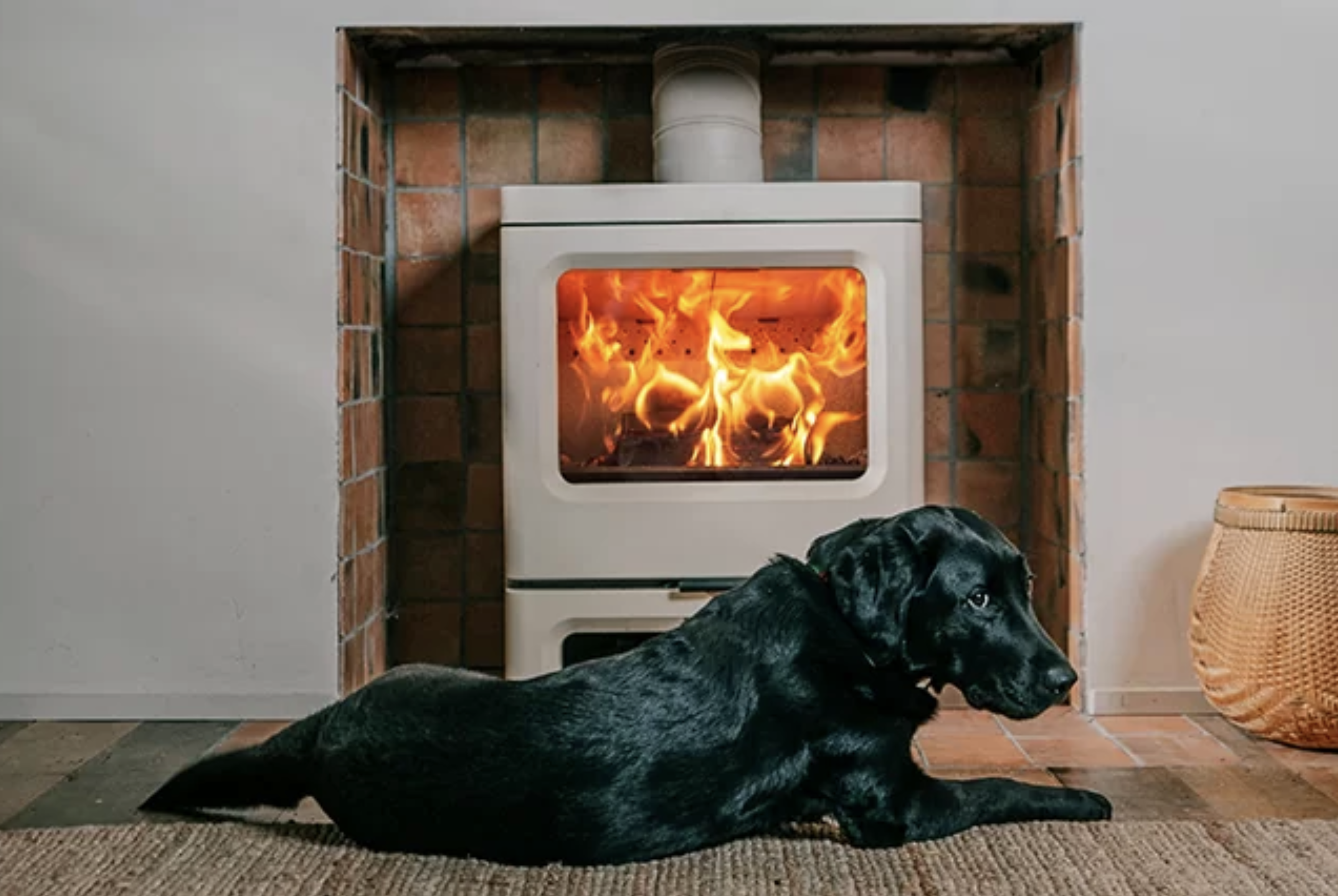
Our company objectives are to transform lives and delight customers. To delight customers is obvious, we need to do that to keep getting sales. Transforming lives is more broad. As Christians we believe that lives are ultimately transformed by knowing Jesus and in our company this means that we strive to provide good employment, be a good customer, and make a positive difference in our local community, the Isle of Wight. It also means that we have a responsibility for the environment. We need to ensure we are acting sustainably, again as Christians, we believe the world belongs and is loved by God and so we have a responsibility to look after it.
Many of our customers tell us how much they enjoy the warmth and beauty of a real flame. A fire has a way of transforming a room, drawing people together and creating a sense of welcoming comfort in the home. This recent article by Prof. Mike Parrott speaks beautifully about the power of fire and how for most of human history the hearth was the centre of the home, not just for heat but for gathering, conversation and shared life. Even today the presence of a real flame still draws people together in a way few other household features can.
It’s also worth remembering that in a world where gas prices can spike suddenly, as recent disruptions to global LNG supply have shown, it makes sense to look for solutions that strengthen the UK’s energy resilience while preserving the warmth and social value of a real fire.
At the same time we must ensure air quality continues to improve. That is why we focus on designing products that burn as cleanly as possible, most recently our Aire Intelligent range being a giant leap forward. By reducing emissions and encouraging good burning practices, we aim to improve life not only for our customers but also for their neighbours and communities.
A better response than catastrophising
So let’s not catastrophise the effects of smoke. But instead let us innovate to reduce emissions, giving ourselves the ability to cope and enjoy the many benefits and beauty of wood flames and heating.
Further reading:
https://www.charnwood.com/news/introducing-aire-intelligent-smarter-cleaner-wood-burning/
https://www.charnwood.com/news/how-modern-wood-burning-actually-helps-nature-homes-and-cleaner-air/
https://www.charnwood.com/news/when-the-weather-turns-resilience-matters-modern-wood-burning-helps/
https://www.charnwood.com/news/why-just-ban-it-is-the-wrong-answer-to-complex-problems/